
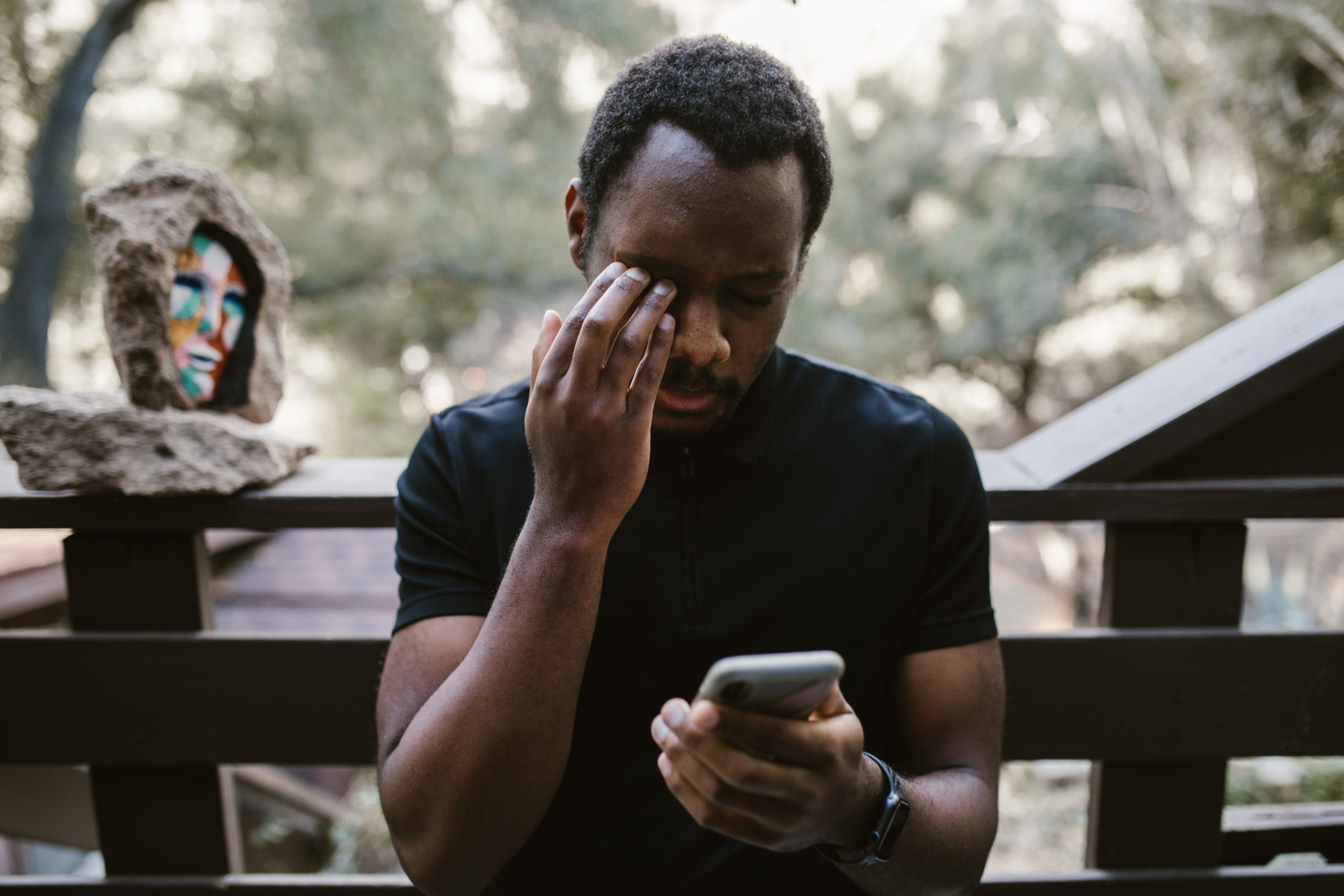
Gone are the days of secret love letters and rendezvous in the shadows. In our new digital age, infidelity has taken on a new form: cheating via technology. With the recent uptick of social media and dating apps, temptation is just a click (or a swipe) away. Let’s explore how technology has changed the world of infidelity, the future of infidelity in the digital age, and signs that your partner may be cheating (via technology), followed by some FAQs.
Why is cheating on social media so easy to do?
The main impact technology has on infidelity is creating more opportunity, convenience, and temptation. The opportunity can arise much quicker than in “real life.” For example, we’re sure you’ve heard the term “sliding into your DMs,” which basically just means someone messages you on social media. That person may not have ever spoken to you outside of technology; hence, the opportunity arises more frequently.
Convenience is another major factor contributing to infidelity. Having millions of women and men at your fingertips, with just a click of a button, makes it really easy to cheat. Not to mention, cheaters can easily hide messages from their significant others, which makes it even more convenient.
Temptation. Need we say more? It’s pretty self-explanatory. If you’re sitting on your phone scrolling for hours, you’re bound to scroll past someone you find attractive. Or if someone is actively trying to cheat, downloading a social media app is very simple (and free).
Cheating with technology is easier to hide. In the past, it was easier to detect signs of infidelity, such as finding love letters, receipts, notes, phone calls, or catching someone in the act. However, in the digital age, it’s more difficult to detect infidelity because much of it is happening online and the ability to erase the evidence. Whether or not the cheating is even happening, this can create a sense of anxiety and distrust in relationships, which can have a negative impact on mental health and the overall health of the relationship.
Signs of cheating online
There are several signs that someone may be cheating via social media, dating apps, or some other form of technology. Keep in mind, just because your partner is displaying some of these signs doesn’t conclusively mean that they are cheating, but look for patterns since these can provide a starting point for significant others who suspect that their partner may be cheating. Here are some common signs of infidelity in the digital age:
Increased use of social media
If your partner suddenly starts spending more and more time on social media platforms like Facebook, Snapchat, Instagram, Twitter, BeReal, etc. It could mean that they are communicating with someone else in a romantic way. (It could also mean they’re just bored, too).
Secretive behavior with their phone or computer
If your partner suddenly becomes very protective of their phone or computer, or if they start deleting texts, call logs, or social media messages, it could be a sign that they are trying to hide something from you. This is especially true if they were never secretive or protective before.
Changes in communication patterns
If your partner is receiving more messages than usual (you hear their phone going off more), or if they are suddenly communicating with someone at unusual times of day or night, it could mean that they are engaging in infidelity. For example, if they usually look at their phone for 10-20 minutes before bed, and all of a sudden, it’s turned into an hours-long phone session before bed, it could be something to look into. (On the flip side, this could be completely innocent…maybe they’re hooked on a new podcast or just simply in their scrolling era).
Sudden changes in behavior
If your partner suddenly starts acting differently, such as becoming more distant, secretive, or even nicer, it could be a sign that they are hiding something from you. For instance, if they’re being nicer to you, it could be because they feel guilty for cheating or micro-cheating.
Unexplained expenses
If your partner is spending money on things that they can’t or won’t explain, it could point to infidelity. For example, there are charges from a restaurant you’ve never been to before, but they insist they don’t know where or what that’s from. Another example might be from stores in other locations that aren’t in the same town that your partner usually frequents.
Changes in sexual behavior
If your partner suddenly becomes less interested in sex or starts asking for new or different things in bed, it could mean that they are having their needs met elsewhere or they are learning new things from a new partner.
It’s important to remember that even if your partner is displaying one or more of these signs, it doesn’t necessarily mean that they’re cheating, and there could definitely be other explanations for them. However, if you’re noticing these signs, it may be a good idea to start a conversation about your concerns with them (communication is key).

What is micro-cheating on social media?
If you haven’t heard this term yet, welcome to 2024, where the internet has come up with a formal term for small acts of betrayal in a relationship, known as “micro-cheating.” As the name suggests, it’s not about full-blown affairs or sexual acts. Rather, it involves smaller actions that don’t meet the traditional definition of cheating but still aren’t entirely acceptable.
Here are some examples of micro-cheating on social media:
- Liking the same person’s IG post over and over with the intention of grabbing their attention
- Sending DM’s with someone that your partner wouldn’t feel comfortable with
- Continuing to follow exes and liking their posts
- Reacting to IG stories with certain “flirty” emojis, such as the heart eyes (this isn’t public, so it’s along the lines of a DM)
- Hiding interactions with someone, such as deleting DMs or deleting comments
- Regularly viewing someone’s profile who you have a crush on
- Flirting in a public comment section with someone who is not your partner
When is online flirting considered cheating?
If you’re a fan of Bravo’s Summer House, you know that Jesse Solomon has a running joke with Amanda Batula on social media where he comments about how attractive she is everytime she makes a post. It’s supposed to be a “total joke,” but at what point does this semi-online flirting become cheating?
Well, it probably depends on Amanda’s relationship with her partner (Kyle Cooke). What is he comfortable with? At what point does the flirting cross a line? What is that line? This is something to be determined on a case-by-case basis with each relationship. It appears that Kyle (Amanda’s husband) is not bothered by the interaction, but at some point, if it ever bothers him, he should speak up.
The bottom line? Online flirting is considered cheating when it crosses a boundary in the relationship. For example, if Kyle were to say, “I don’t appreciate you ‘jokingly’ flirting in the comments with Jesse” to Amanda, and she does it anyway, she’s probably committing some level of micro-cheating, which could be considered cheating on some level.
Final thoughts
The uptick of social media apps and dating apps has revolutionized the way we communicate and connect with others, but it has also created new pathways for easier access to cheating. Virtual cheating can be just as damaging as physical or emotional infidelity in “the real world” as it involves significant betrayal and lying. Technology is only getting better, so we can only expect that access to infidelity will get more and more convenient. If you suspect your partner of virtually cheating, it’s important to know the signs of online cheating. Don’t forget you can always seek help from a therapist if you need it!
Frequently Asked Questions (FAQs) about infidelity on social media and dating apps
Let’s dive into some more of your burning questions on this topic.
Q: Is flirting on social media considered cheating?
A: It depends on what boundaries you have set with your partner. Nowadays, flirting on social media might be considered “micro-cheating,” which means it’s a small act of betrayal that doesn’t quite stack up to full-blown cheating but is still unacceptable to the other partner.
Q: Can virtual infidelity be as damaging as physical or emotional infidelity?
A: Yes, emotional affairs and virtual infidelity can be just as damaging as physical infidelity. How? They involve a breach of trust and emotional intimacy with someone outside of the relationship.
Q: How can I protect my relationship in this new world of technology?
A: There’s no way to 100% guarantee that you will never become a victim of infidelity. However, protecting your relationship in this modern world typically requires a good level of open communication, trust, and honesty.
Q: What should I do if I think my partner is cheating on me?
A: If you suspect your partner is cheating on you, it’s important to communicate these concerns to them first before jumping to conclusions. If communication isn’t working, seek the help of a counselor or therapist and work together to address the underlying issues that may be contributing to the infidelity.

David F Khalili is a Licensed Marriage and Family Therapist, board-certified sexologist, author of Mental Health Workbook for Men, founder of Rouse Relational Wellness, a boutique sex and relationship therapy center serving San Francisco and all of California, and recently started Rouse Academy, an online learning platform to address sex and anxiety.
0 Comments