
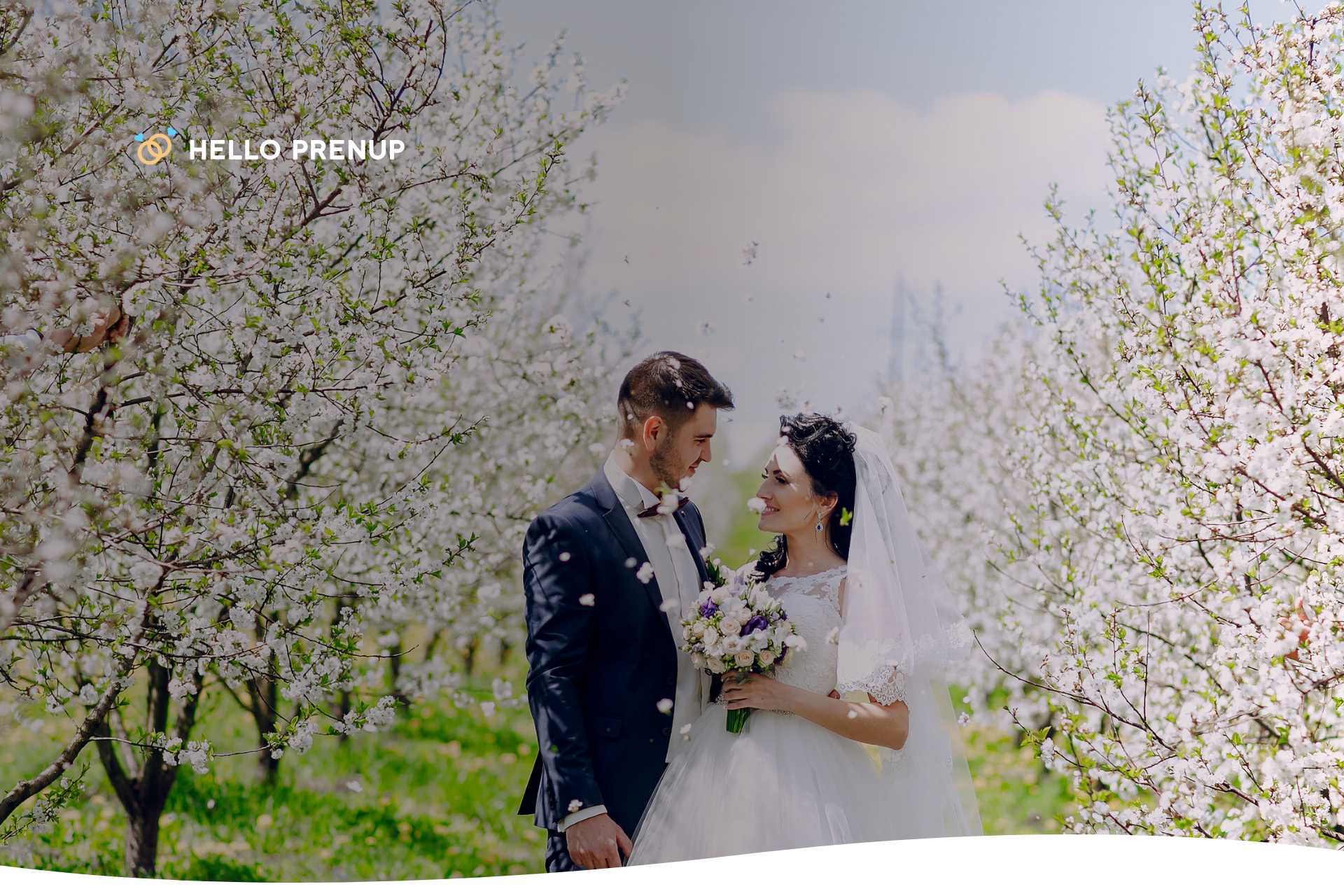
Getting engaged soon? Should you pick a spring, summer, fall, or winter wedding? Picking your wedding date or time of year should be more about the particular characteristics of your chosen season than about numerology, liking how a date sounds, or if a farmer’s almanac states it will be good weather that day. The process of picking your wedding season should depend on various factors, some of which we will look into below. It’s important to note that the primary high season for weddings is between April and October. We will examine how getting married in the high season has pros and cons, and where the valley season can triumph over the peaks of the high season.
Pros and cons of spring weddings
First up: Spring weddings. Think pastels, birds singing, pretty flowers, and breezy, warm temps. But what are the pros and cons of hosting your wedding during this season? Let’s dive in.
Pros
As the leaves finally grow back onto the trees, flowers begin to pop up from the ground, and pollen seems to swirl. Spring brings a sense of renewal and rejuvenation along with its golden green foliage. Spring is when people are coming out of winter hibernation. There is a newfound sense of rejuvenation, and people have more pep in their step. With the feeling of renewal all around, this serves as the perfect place to begin the first chapter of the rest of your life.
But you would not be alone in this concept; mid-spring, particularly April and May, are some of the most sought-after months to get married. Of course, because of its popularity, the pricing will be higher than in the earlier months of spring, which could have the same benefits as late spring, with cooler temperatures. In all of spring’s glory, the availability of seasonal flowers at a lower price is a big plus. For flower lovers, the spring season is when flowers are in their best bloom and, therefore, are more readily available at a lower cost.
Cons
The weather in Spring is particularly fickle. One day, there could be clear skies; the next could be torrential downpours that lead to flooding. The erraticness of the weather could pose a serious threat to any outdoor wedding planning you may have. It is important to note that a backup plan should be in place if you want to secure a spring wedding date. Backup planning also comes at a cost; for instance, with an outdoor wedding, a rain plan must be decided within a week or two before the wedding. If it doesn’t rain and you don’t use it, you still have to pay for it, and if it does rain and you don’t have one, you will have some sopping wet guests you’ll have to account for. They don’t say “April Showers bring May flowers” for nothing! Prepare to pay a pretty penny for a late spring wedding!
Pros and cons of summer weddings
Sunny days, short dresses, fans at the reception–these are all things that immediately come to mind with summer weddings. Let’s dive into the good and bad of hosting your wedding in the hot season.
Pros
Summer speaks for itself in freedom, nostalgia, and a celebratory mood. The skies are sunny, the weather is warm, and the extended hours of sunshine provide longer days. The summer is the most sought-after time of the year for weddings since there is more flexibility with people’s schedules and more of a chance that, if you wanted an outdoor event, you could enjoy the warmth of a summer night.
With a more extended period in which you can get your “golden hour” photos, couples often opt for the summertime simply because they will possibly have better lighting for their photos. The local fruit and vegetable supply during summer is typically much more affordable and readily available, leading to more catering options. The summer also houses a few long weekends based on the holiday cadence, which could offer an excellent opportunity for a destination wedding or a summer camp vibe wedding, where you can house all of your guests together for the weekend.
Cons
There is a sense of lightheartedness during the summer, so the costs of weddings during June-August will be at their all-time high. The challenge of getting your perfect wedding vendors and venues will be much more competitive than in the other seasons, since everyone around you will feel that same positive vibe of the summer. Regardless of where you are in the world, the summer months will also require the possibility of a rain plan and the inclusion of external air conditioning and fans, which could increase the cost of your wedding.
The heat and humidity that come with the summer can also be a huge deterrent for those of you looking to avoid a frizzy hair day or sweating through your wedding’s finest clothes. Also, consider that many people make their summer plans very far in advance, so coordinating around the pre-existing plans of our guests may be a tricky dance; therefore, your guest count may be lower than you want.

Pros and cons of fall weddings
Fall is the time for cozy nights in, fall foliage, and all things Halloween. But what are the upsides and downsides to hosting a wedding in the fall season? Let’s discuss.
Pros
Fall weddings have become the new “it” season for weddings, and for good reason. The weather in the Fall is delightful, and in comparison to the unpredictability of the weather in the Spring and the humidity in the summer, Fall fits somewhere in between, as Goldilocks would say, somewhere “just right.” The cool, crisp weather and the beauty in the changing foliage of the seasons create a warmth and drama around the season that doesn’t particularly exist in the other peak season months. The vibe of the Fall creates an inviting atmosphere that brings families and friends together while maintaining the twinkling magic from the summer months.
Cons
The fall, in particular, is a complicated time of year because as school goes back into session, plans get complicated, kids start playing their fall sport again, and coordinating timelines may get tricky. During the fall season, daylight begins to fade quickly, so if you’re looking for an extended period of outdoor photography, the window for a golden hour gets shorter and shorter. This can lead to a much earlier start time or a shorter time to prepare for your big day. Since this season is the new “it” time to get married, the pricing for weddings in September and October will be higher than they traditionally were, as well as the competition for vendors and venues. The earlier you begin booking, the better!
Pros and cons of winter weddings
Last but not least is the winter wedding. It’s arguably the least common wedding season, but definitely has its perks. Let’s talk about the pros and cons of a winter wedding.
Pros
The winter months are the least competitive months of the year to get married, mainly because of the unpredictability of the weather, the potential lack of possibility to have an outdoor portion of the wedding, and the competition with the winter holidays. Because of the lack of competition, you are more likely to have your pick of the litter in terms of venues, vendors, and everything in between. The coziness from the winter months creates a warm hug to wrap your guests around, and it feels more intimate and emotional during the winter months.
You also have the holiday season to play off the holiday cheer. Many venues will already have their twinkle lights up, which could be a significant cost savings for those looking to recreate the magic of a twinkling night sky. The winter months are times for celebration and excitement, a time to get together and enjoy the company of your loved ones.
Cons
Despite the significant cost savings and possibilities of vendor selection, the winter season may be the most complicated to plan for. The unpredictability of the weather can leave the requirement for both a plan A and a plan B and C. Icy roads and snowstorms can seriously derail your planning, and oftentimes, as with the weather, you won’t know until a few days in advance.
Taking this gamble is often very unsettling for couples. The holiday season is also filled with other personal commitments, office holiday parties, and cultural events that may create a complicated scheduling period. The daylight time is the shortest during this time, so events during the winter months may take place starting at 3 PM to capture the sunlight, in contrast to events in the summer that could take place a full five hours later. Shorter days mean less time to celebrate the day.
The bottom line on the different wedding seasons
Ultimately, what matters most is that you pick the season that meets your priorities the most. Whether it’s saving the most money and taking a gamble on the weather in the winter, selecting an indoor venue with some outdoor space so that you can have the spring’s seasonal blooms or somewhere in between, as long as you figure out what is most important to you as a couple, the rest will follow. There isn’t a “perfect” season for a wedding; each season has its unique charm and challenges. When you keep this in mind, everything else tends to fall into place, whether it rains or shines.

Samantha Hertz is the founder of Saturdays in the Sun, a creative consultancy agency based in New York specializing in turning innovative ideas into reality. With over a decade of experience in the luxury fashion industry, having worked with prestigious brands such as Prada, Burberry, and Giorgio Armani, she has developed a strong skill set in event planning, creative project management, and visual display. In recent years, Samantha has ventured into wedding planning. Her background in luxury fashion has given her keen attention to detail and the ability to thrive in high-pressure environments—qualities that have proven invaluable in the glamorous and often chaotic world of weddings.
0 Comments