

When you sit down to draft your last will in California, you’re not just crafting legal language. You’re putting your final wishes into writing with the hope they’ll be carried out just as you envisioned. California law supports this goal, but only if your will meets certain standards. Even heartfelt intentions can unravel in probate court if the legal boxes aren’t checked. Does my will need to be in writing in California? And, do I need to notarize my will? Let’s answer these questions as we walk through what’s required for a valid will in California, from witness requirements to handwritten exceptions, and why it all matters.
The basics are codified in California law
California’s legal foundation for wills is found in the California Probate Code, particularly Division 6. A cornerstone statute is Section 6110 of the Probate Code, which lays out the formal requirements for execution (Cal. Prob. Code § 6110). The beginning of the statute states: “Except as provided in this part, a will shall be in writing and satisfy the requirements of this section.” That phrasing is deceptively simple, but what it means is that your will must meet specific legal requirements in order to be considered valid.
Written
The first and most basic requirement is that your will must be in writing. California generally does not accept oral wills. A typed or printed document is the safest option.
Signed
Next, the person making the will, often called the “testator,” must sign the document themselves. If they are physically unable to do so, someone else may sign on their behalf, but only in their presence and at their direction.
Witnessed
Witnessing is where many DIY online will templates fall short. Under California law, a valid will must be signed by at least two “disinterested” witnesses. These witnesses must either see the testator sign the will or hear them acknowledge that the signature or document is their will. They must also understand that what they are signing is, in fact, a will. All of this must happen while the testator is still alive, and ideally while the testator and both witnesses are all present together. Courts often scrutinize how and when the witnessing occurred, especially when challenges arise.
Harmless errors
California law does offer a “harmless error” rule for imperfectly executed wills. If your will was not witnessed according to the exact rules, it may still be admitted to probate if the court is convinced by clear and convincing evidence that you intended it to be your will when it was signed. This safety net exists under Section 6110(c)(2) Probate Code, but courts apply it cautiously (Cal. Prob. Code § 6110(c)(2)). It’s there for honest mistakes, not shortcuts.
Handwritten wills can be valid, but come with risks
California also recognizes holographic wills, or wills that are handwritten by the testator. If you write your entire will in your own handwriting and sign it, the will can be valid even without witnesses. While this might sound convenient, holographic wills tend to be riskier. They are easier to challenge, either because someone questions the handwriting or because the language is vague or incomplete. With holographic wills, material provisions must be in the testator’s handwriting, and the testator must sign it. If you’re using a holographic will, clarity and completeness are essential.
Statutory wills offer a fill-in-the-blank option
For people with simpler estates, California offers a statutory will form. This is essentially a template approved by the legislature. You can fill in the blanks, sign it with the proper formalities, and have a legally valid will. These are useful in limited cases, but they aren’t flexible. Any modifications or additions you make to the form could be disregarded unless they, too, are executed with proper intent and evidence.
The testator must be of sound mind
Beyond execution formalities, there’s a requirement that the testator has mental capacity. In California, that means the person creating the will must be at least 18 years old and of sound mind at the time they sign. A sound mind means they understand what it means to make a will, know the nature and extent of their property, and recognize who their natural heirs are. A will signed under duress, fraud, or undue influence, or by someone who doesn’t fully understand what they’re doing, can be challenged and invalidated.

Notarization isn’t required, but can still be useful
Unlike some legal documents, California wills do not require notarization to be valid. However, a notarized self-proving affidavit, where the witnesses affirm under oath that they saw the will signed properly, can save time and money during the probate process. Without it, the court may need to locate and question the original witnesses to confirm authenticity. So, while it’s not a legal requirement, notarization adds a helpful layer of certainty.
Be cautious with interested witnesses
It’s common to ask a close friend or family member to serve as a witness, but if someone who signs the will as a witness also gets something from the will, it’s assumed they might have used pressure or trickery to get it, unless there are at least two other witnesses who don’t get anything from the will. This means that if the will is challenged in court, the burden shifts to that witness to prove they didn’t do anything wrong to get the gift, but if the gift is only because the person has a job like a trustee or guardian, then this suspicion doesn’t apply. Proper witnessing ensures the document stays legitimate. When possible, use neutral witnesses to avoid questions later. Cal. Prob. Code § 6112(c))
How to revoke or amend your will
Wills aren’t permanent. You can change or revoke yours at any time as long as you have capacity. Revocation can happen by physically destroying the document (i.e., tearing, burning, or canceling it), or by creating a new will that clearly states it revokes previous versions. You can also amend a will with a codicil, which is a standalone document that must follow the same signing and witnessing rules as the will itself. If your life circumstances change, from say, a marriage, divorce, new children, or a shift in assets, updating your will is a smart and necessary step.
Final thoughts on creating a valid California will
California offers flexibility in how a will can be executed, especially with holographic wills and harmless error provisions. But this flexibility doesn’t remove the risks. A small error can turn into a big headache for your heirs, or worse, invalidate your final wishes. That’s why most estate planning attorneys recommend going beyond the bare minimum. A carefully drafted, properly executed will gives your family clarity during a time when they need it most. It’s not just a legal document. It’s a gesture of care, responsibility, and foresight.
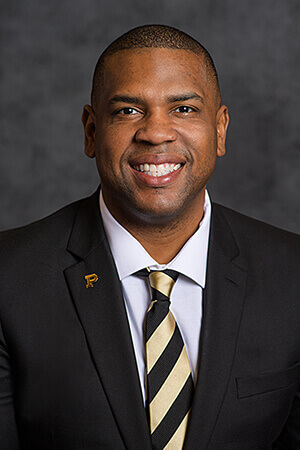
Dolan Williams is a dedicated California attorney specializing in prenuptial agreements. He brings a wealth of experience and a commitment to excellence to every client.
His approach is rooted in efficiency, attention to detail, and a deep understanding of the unique needs of each couple. He believes that a well-drafted prenuptial agreement can provide clarity, security, and peace of mind as couples embark on their journey together.
Dolan is proud to be a part of the HelloPrenup network, where he continues to help couples protect their futures with confidence. Client satisfaction is his priority, and he is committed to delivering personalized, compassionate, and professional service every step of the way.
He works closely with clients to create prenuptial agreements that reflect their values, protect their interests, and set the foundation for a strong and secure partnership.
0 Comments