
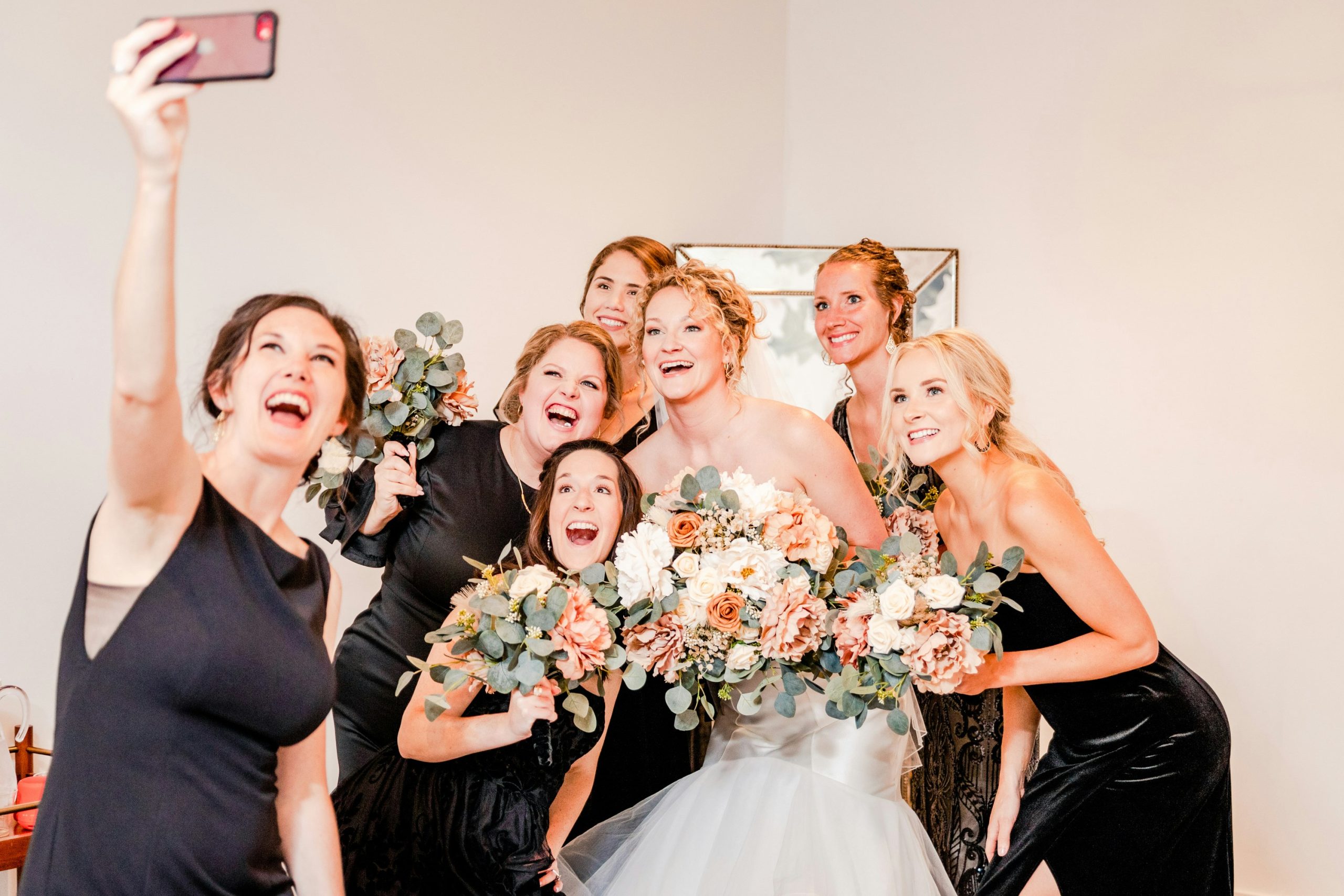
Dressing for a wedding can be shockingly difficult sometimes. What’s the difference between cocktail and semi-formal, anyway? And is it actually okay to wear that gorgeous black dress? Black is chic, flattering, and universally dependable—so is it really still taboo at weddings?
Traditionally, black was the absolutely-not color for guests. It read as too somber, too funeral-coded, or just too bold. But that’s not the case anymore. Modern weddings are more personal, less rule-bound, and much more fashion-forward. Still, there are moments when black can send the wrong message or clash with the couple’s vibe.
In this article, we’ll walk through the psychology behind wearing black (yes, guests pick up on signals they don’t even realize), the etiquette nuances, when black is perfect, when it’s not, cultural considerations, and how to choose black in a way that feels intentional and appropriate.
Let’s break it down.
Why all the drama over black
In Western traditions, weddings were historically all about light, softness, and new beginnings—colors like white and pastels fit that symbolism perfectly. Black, on the other hand, was tied to endings, grief, and moments that called for seriousness.
Today, those cultural associations are much looser. Fashion norms have shifted, aesthetics have evolved, and most couples don’t attach nearly as much symbolic meaning to color anymore. Still, in some families—especially among older generations—those old associations linger. That’s why you might still get a raised eyebrow from a grandparent or an etiquette-minded aunt if you show up in black.
It’s not really about your outfit. It’s about what black has represented over time and how emotionally charged wedding rituals can be. People become protective of the symbolism around the day, even if no one explicitly says it.
When black is totally appropriate
Let’s start with the many, many times black is great for a wedding:
Evening weddings
Black at a 6 pm ceremony? Chef’s kiss. Evening events naturally lean toward a more formal tone, so black usually fits right in without feeling too heavy.
Black-tie or formal dress codes
When the invitation says black-tie, you’ve basically been handed a permission slip to wear black. Go for it!
Urban, modern, minimalist weddings
Warehouse venues, art galleries, downtown hotels… these weddings often intentionally lean into clean lines and monochrome palettes. Black feels cohesive, not out of place.
Winter weddings
A deep black velvet dress in December? Gorgeous. A tailored black suit in January? Always right. Winter weddings are made for darker, moodier colors.
If the couple doesn’t care (and actually says so)
Some couples actively invite guests to wear whatever makes them feel good, including black.
So in plenty of scenarios, black isn’t a risk at all—it’s actually one of the easiest ways to get it right.
When black might not be the best choice
There are a few settings and situations where black can land… wrong.
Very traditional or conservative families
If you know the couple, their parents or grandparents take traditions seriously, wearing black can read as tone-deaf or a little emotionally cold. It also depends on what vibe or direction the couple sets, but showing up in black could cause some side-eye.
Daytime or garden weddings
A bright Sunday afternoon in a rose garden calls for something a little softer or more colorful. Black won’t ruin anything, but it can feel visually heavy against the setting.
Cultural contexts where black truly symbolizes mourning
Some cultures associate black very specifically with grief. In parts of East Asia, black is associated with loss (whereas in other regions, white is the mourning color). In many Latin American traditions, black is worn at funerals, and in certain Orthodox Christian communities, wearing black to a wedding can feel jarring. If you’re unsure, ask someone close to the couple or do a little research to get a sense of what’s appropriate.
If the couple specifically says “avoid black.”
Rare, but it happens. Their wedding, their vibe, so follow their lead.
When the backdrop or the family culture calls for a gentler touch, skipping black ensures your outfit supports the celebration instead of distracting from it.
How to wear black without stealing focus
When wearing black to a wedding, a few style tweaks can make all the difference. Choose fabrics that feel celebratory, like a black silk or chiffon, while steering clear of the black leather bodycon. Pay attention to silhouette, too; weddings aren’t the ideal setting for outfits whose primary goal is “look at me.” A little drama is fine, but let’s keep the focus on the main couple.
If it’s a daytime wedding, lighten things up with softer textures, playful accessories, or a non-black shoe so you don’t visually dominate the photos. And overall, avoid anything that reads as head-to-toe funeral attire is a sign to make some changes.
What about men’s suits?
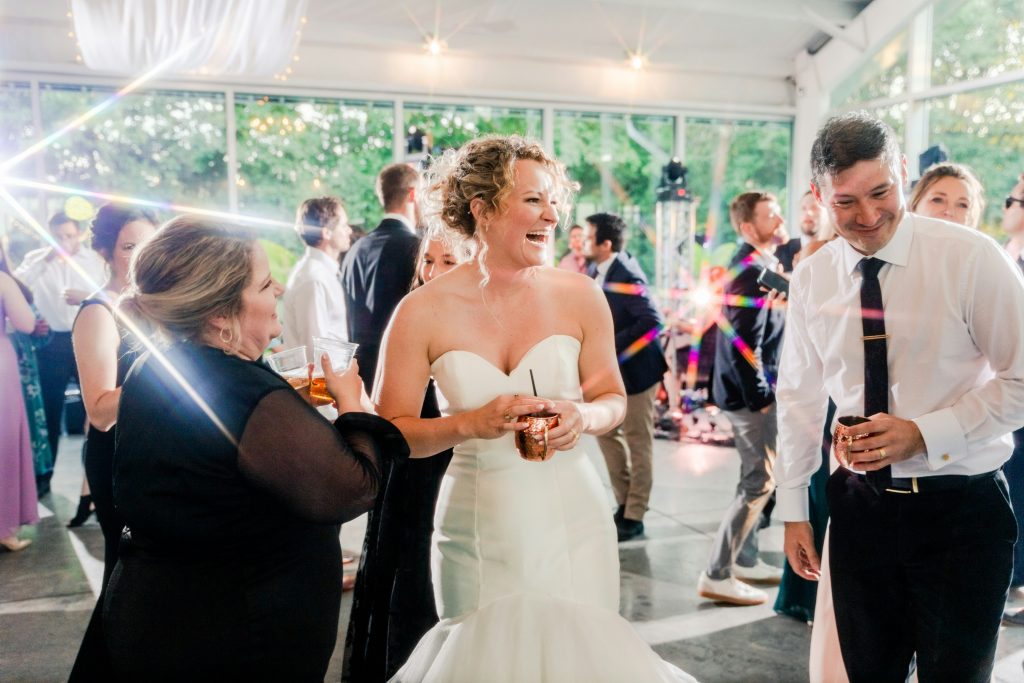
Men worry about this way less, but the question still pops up. For men, black can be a great option. Black suits are totally appropriate for evening weddings, though they can look a bit stark in broad daylight. Black tuxedos are perfect for black-tie events, but they’re out of place if the couple hasn’t specified formalwear. For daytime ceremonies, softer tones tend to look more natural in the light: navy, charcoal, light grey, or even tan (depending on the venue and weather) all strike a more balanced, celebratory note.
How to handle it if someone (politely or not) comments on your black outfit
Weddings bring out all kinds of social commentary that no one asked for. Making a more fashion-forward attire choice may open the door for a guest to share their thoughts… whether you want it or not.
If a guest says something like, “Oh… you wore black?” here’s how to keep it breezy: “Yep! The couple said we could wear anything,” or “It’s my favorite and felt right for today!” Keep it light. No defensiveness. You didn’t break a rule; you just triggered someone’s closed-mindedness.
If you’re unsure, here’s the simplest rule:
Match the couple’s vibe, not the color chart in your head. Look at their invitation, wedding website, venue, photos, or personalities. You’ll get a pretty good read on whether black fits seamlessly or sticks out.
When in doubt? Just ask. Couples would much rather clarify than have guests stressing over something solvable.
Final thoughts: How to make black work for a wedding
At the end of the day, wearing black to a wedding isn’t the edgy, rule-breaking move it used to be. For most modern celebrations, it’s not only acceptable, but it’s also stylish, timeless, and often one of the safest choices. The real key is reading the room: the couple’s vibe, the setting, the cultural backdrop, and the emotional tone they’re trying to create.
If black supports that energy, wear it confidently. If it conflicts with the family’s traditions or the feel of the day, there are plenty of other colors that will help you blend in beautifully. Weddings are ultimately about connection, presence, and celebrating two people starting a life together, not policing outfits.

Dr. Vivian Oberling is a licensed clinical psychologist with degrees from UCLA, Harvard, and Stanford. In her private telehealth practice, she works with adults navigating anxiety, identity shifts, and relationship dynamics—whether they’re dating, partnered, or parenting. She also provides executive coaching and behavioral health advisory support to tech startups and legal tools reshaping how we think about love, marriage, and psychological safety. Dr. Oberling combines 10+ years of clinical expertise with modern, real-world insight to help people move through uncertainty with clarity and connection.
0 Comments