

By Dr. Annabelle Seife
Navigating a prenuptial agreement can be challenging for any couple. Couples often feel caught between legal advice, family dynamics, their own autonomy, and their wish to protect their partner’s feelings. A prenup is a legal document, but it’s rarely just black and white. As a couples therapist, I’ve seen how even daily negotiations (who does the dishes? Who takes out the trash?) can carry hidden emotional meaning. Aligning on a prenuptial agreement requires strong communication skills – and sometimes those skills break down, even in the most committed couples.
Prenups are uniquely emotionally loaded compared to other legal negotiations. Think of a prenup like an insurance policy: nobody wants to imagine their house flooding, but pretending it isn’t possible doesn’t make it less likely. Prenups involve confronting the fact that no one can predict the future, at the exact moment a couple is promising to spend their futures together. That tension makes finding alignment on terms especially difficult.
But conflict during this process is nothing to catastrophize. In couples therapy, we see conflict as a sign that both partners are being honest about deeply held values – an important skill in marriage. This moment is an opportunity for greater closeness and deeper understanding. And what better time to make financial decisions than when you’re feeling committed and invested in your relationship?
Beyond the legal requirements of asset and debt disclosure, prenups offer something more: a chance to build communication skills and emotional transparency. When couples navigate prenups, they wade into deep, meaningful waters – uncovering beliefs about money, family, trust, work, and the fear of divorce itself. Lean into this opportunity; it can lead to a healthier, longer-lasting marriage.
If you and your partner are struggling with the Alignment phase of your HelloPrenup, these questions can help:
Question 1: What does money mean to each of us?
Take a step back from the dollars and cents and think more abstractly, because money is rarely just about money. For each of us, it represents so much more, things like safety, stability, power, guilt, love, punishment, abundance, caretaking… or all of the above! Until each of you understands what money means – not just what you’re asking for, but why – you may not fully understand your own reactions, or your partner’s.
For example, perhaps one of you grew up in a family with wealth, and you see protecting that wealth as a way to honor your parents’ sacrifices. Or maybe one of you grew up with limited resources and now views financial security as something hard-won and non-negotiable. Talking through all of this is an opportunity to know your partner more deeply.
Childhood experiences create templates for how we make sense of things in adulthood. How and when was money talked about, if at all? What messages did you get about spending, saving, wealth, or generosity through what was communicated and what wasn’t? How might you be carrying those messages, or your reactions to them, into your marriage?
Prenups are sometimes an indicator of financial imbalance between couples, whether that’s in earning, assets, debts, or inheritance. How has money offered you power or privilege in your life? How has money made you feel powerless?
Still unsure what money means to you? Take some time to think about how money was handled in your family growing up. Write down 3 words you associate with money, and then share them with your partner. Take turns sharing and listening actively and curiously, without judgment or a desire to convince. Put aside the urge to problem solve or find alignment. Patience and curiosity will serve you long after the prenup is signed.
Question 2: What are my beliefs about marriage and divorce?
Each of you arrives at this moment with your own history and beliefs about what makes a good marriage and what makes an unhappy one. For some, marriage is part of a fairy tale – the experience of feeling truly chosen. For others it lends legitimacy to being a family, while others see it as a business partnership. Take a moment to reflect: why are you getting married? What does marriage mean to you?
Religious and cultural beliefs about divorce are also often an unspoken factor in these conversations. How do each of your religious, spiritual, or cultural backgrounds shape your attitudes toward marriage and divorce?
For some, divorce has never touched their family, and even acknowledging it feels threatening. You may have already experienced divorce yourself or through your parents and seen firsthand that anger and resentment can manifest in lengthy legal battles, and see a prenup as a gift to your partner and a way to protect yourself from potential pain. Understanding how your partner’s family history and past relationships shape their current beliefs is another doorway into knowing them more fully.
For others, holding divorce in mind as a real option can actually strengthen commitment – a reminder that staying in a relationship is a choice, made every day, which adds intention and investment to the marriage. In Existential Psychology, there is a concept called mindfulness of being, which is the practice of staying aware of life’s impermanence. Mindfulness of being involves consciously acknowledging the potential for loss in order to remind us of the fragility of our connections. The more conscious we become of our fear of loss, the more present and appreciative we can be of what is so precious to us – the person we love most in the world. Reminding ourselves that we choose our partner every day can be empowering; reminding ourselves that our partner also has that choice can foster gratitude and a deeper commitment to the relationship.

Question 3: What conversation patterns and feelings come up when we talk about these terms?
When a conversation stalls, strong emotions are almost always involved. And when we struggle to name our emotions, conversations can go off the rails. Rather than getting locked into a battle of wills, avoidance, or concrete problem-solving, try to identify and communicate the feeling underneath. Ask yourself: What am I feeling? What story am I telling myself about this? If you’re struggling to name what you feel, take a look at a feelings wheel. Are you feeling misunderstood? Frustrated? Insecure? Rejected? Anxious?
Naming and sharing the emotion creates connection. It can move a conversation further than locking horns over the terms of the agreement. Try talking about the feeling productively. For example, “I feel scared when we talk about the prenup because I wonder if you don’t trust me”, is easier for most people to hear than, “You’re being unreasonable.”
If you find yourself stuck in a loop, where the conversation is going anywhere and both of you are feeling misunderstood, that can be a great time to seek out Prenuptial Alignment Counseling.
What is Prenuptial Alignment Counseling?
Prenuptial Alignment Counseling is a short-term approach to working through communication and emotional blocks to help couples find alignment on their prenuptial agreements. Unlike lawyers, couples therapists are trained to hold the wellbeing of the couple in mind – almost as if the relationship is a third entity, separate from each individual. Couples therapists help partners negotiating prenups understand why they’re getting stuck and find new ways to talk about these issues to develop deeper understanding and intimacy… and get the document signed! If you and your partner are running up against blocks in the prenuptial process that seem more about communication and emotion than legal terms, Prenuptial Alignment Counseling with a therapist can be a great next step.
—-
If you and your partner would like support working through these conversations, or are struggling to find understanding during the prenuptial alignment process, reach out to Dr. Annabelle Seife for a complimentary 15-minute consultation to learn more about Prenuptial Counseling. Her e-mail is ASeife@therapistsofny.com.
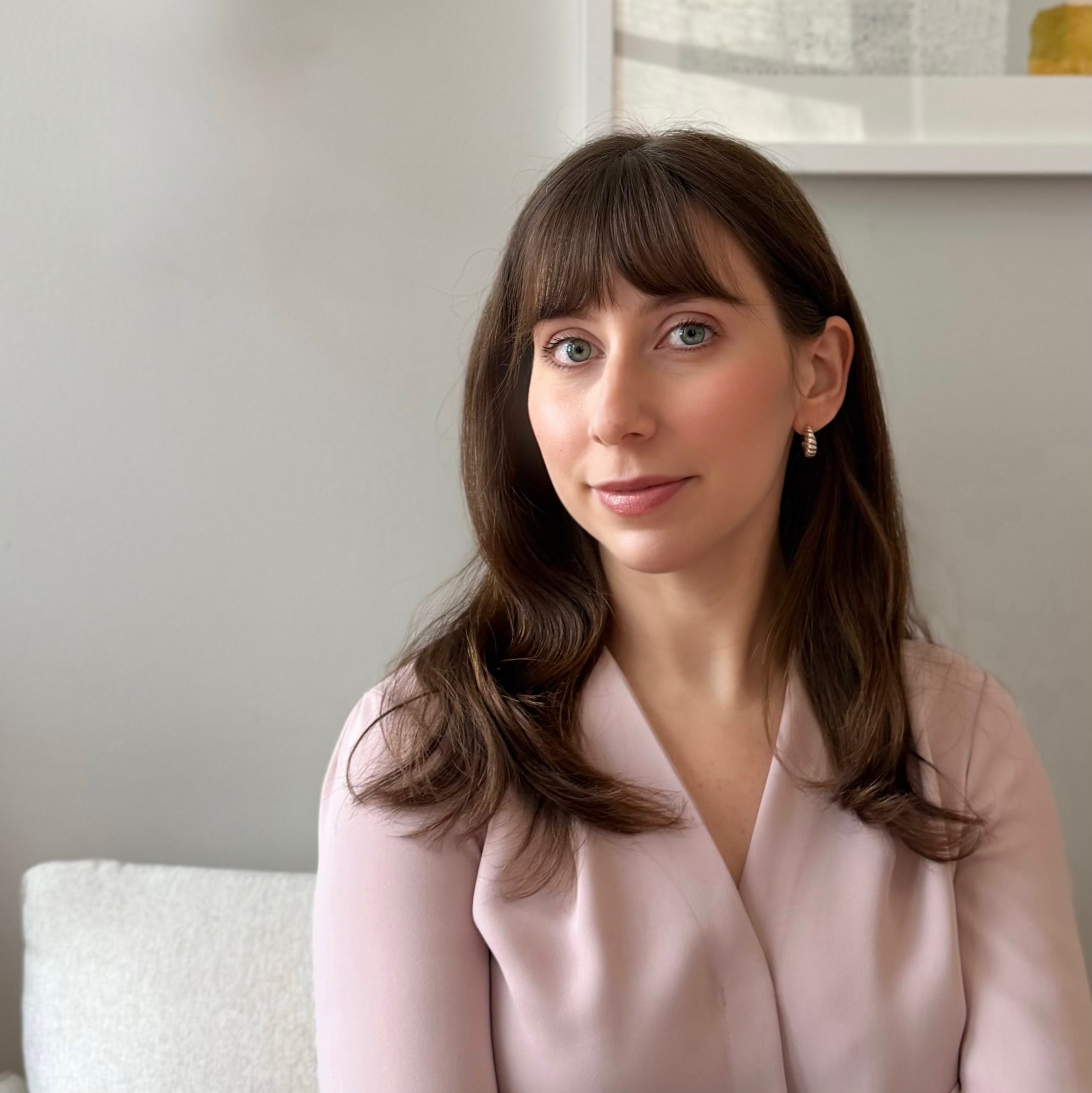
Dr. Annabelle Seife is a licensed clinical psychologist and creator of Before the Leap, a premarital counseling program grounded in relationship science and designed for modern couples. She is also the Director of Couples Therapy at Therapists of New York in NYC. Questions? Contact her here.
0 Comments