
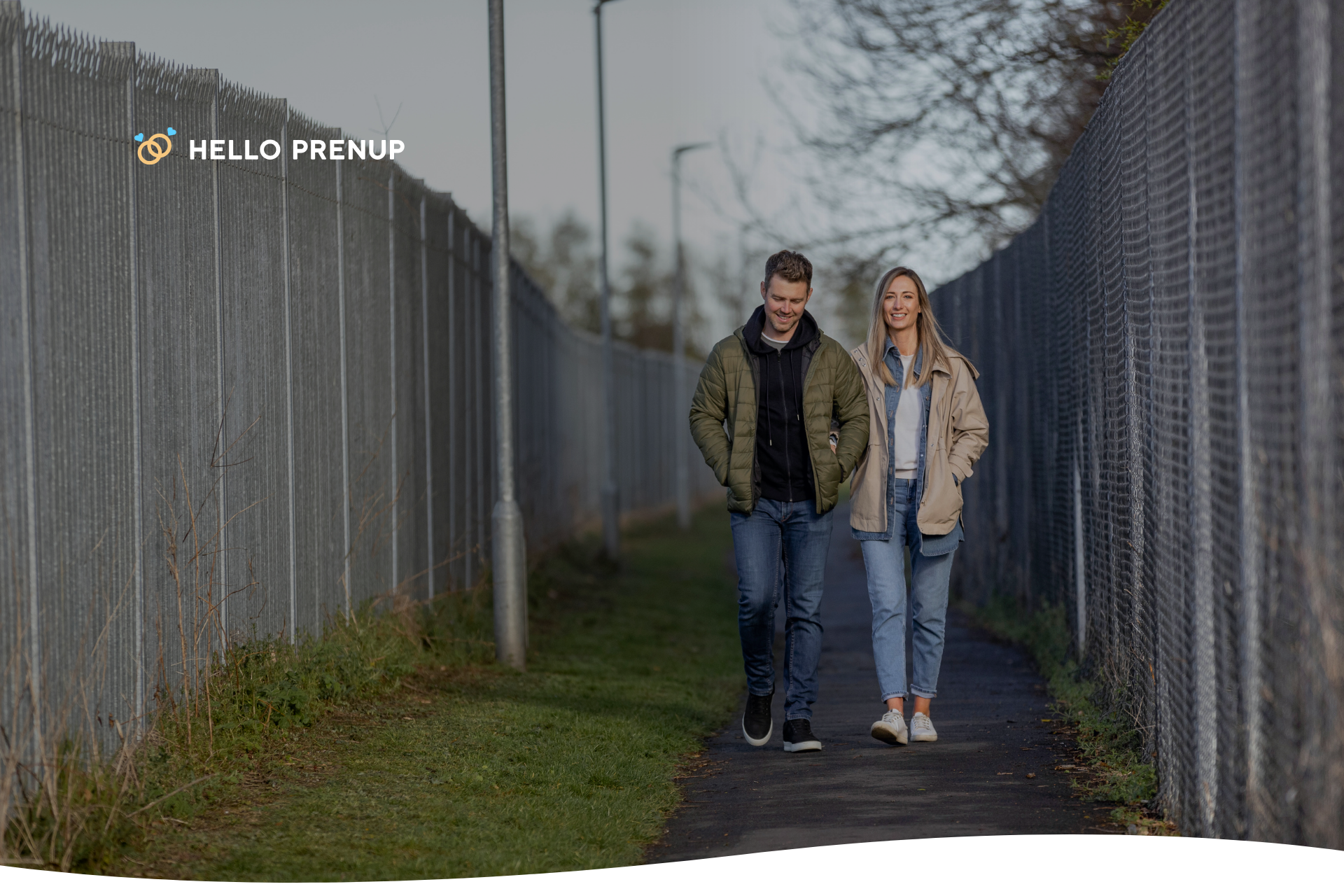
In any long-term relationship, there comes a point where we wrestle with a deceptively simple question: how much “me” can I keep while fully embracing the “we”? The tug-of-war between autonomy and togetherness is one of the most common—and quietly corrosive—dynamics in romantic partnerships. When it’s unspoken or misunderstood, it can lead to emotional distance, resentment, or a warping of self-identity. But, since it can’t be avoided, we might as well embrace the challenge and take it as an opportunity for growth.
So, how do we find this sweet spot? How do we nurture our individual needs without compromising our connection, and vice versa? Let’s unpack the nuanced psychological terrain of independence and intimacy, exploring where the tension comes from, how our developmental history and identity formation play a role, and what concrete strategies couples can use to build a relationship that honors both the individual and the union.
The developmental roots of the me-we dynamic
Our definition of autonomy and closeness goes back long before we ever start dating. Childhood is where we form internal blueprints for how relationships work. If we grew up in an environment where independence was encouraged and emotional support was consistent, we’re more likely to feel secure expressing both needs in adulthood. But if autonomy was seen as a negative or even punished, or emotional closeness felt conditional, we may swing to extremes: either fiercely guarding our independence or clinging too tightly to connection.
These early patterns may go mostly unnoticed or have minimal impact on your life until you enter significant relationships (friendships or romantic relationships). What looks like “withdrawing” to one person can feel like “suffocating” to the other. Unless we understand where these instincts come from, we risk misunderstanding each other’s needs as personal attacks rather than echoes of old wiring.
A deeper lens: Object relations theory
Beyond developmental frameworks, object relations theory offers a powerful clinical lens for understanding this tension. Rooted in psychoanalytic thought, object relations focuses on how early experiences with caregivers shape our inner image of self and others (known as “objects”).
Stable early relationships
If those early relationships were stable, attuned, and consistent, we internalize a sense of others as dependable and ourselves as worthy of care. This allows us to tolerate emotional closeness without worrying that we’ll lose ourselves to that person, or be alone without being worried about abandonment. In other words, we can feel connected to loved ones while maintaining a strong sense of self.
Unstable early relationships
However, if those early “object relations” were full of inconsistency or neglect, it’s likely that we internalize (rightly so!) others as unsafe or unreliable. So, in adult relationships, this can come out as assuming others will fail us or hurt us, so we act in ways to avoid that. The downfall? It can set you up to lean too much towards independence, where you aren’t emotionally connecting with your partner, or become so wrapped up in the other person that you lose yourself completely.
How do you know if this is popping up? If you’re repeating the same fights or feeling overwhelmed by seemingly small ruptures, it’s often a sign that old object relations dynamics are being activated.
Identity formation: How the self develops in relationship
How we maintain our identity in a relationship also strongly depends on our identity formation. During adolescence and young adulthood, we undergo identity consolidation—defining our values, preferences, boundaries, and roles. It sounds simple, but it can be a rollercoaster of emotions as we try things out, mirror others’ behaviors, and explore.
When identity formation is in a solid place when a relationship begins, it can show up as a comfort to say: “This is who I am, and I choose to share it with you”—not “This is who I’ve become so you’ll stay.” Identity formation is a dynamic process and continues to happen over a lifetime with ongoing reflection and adjustment, but entering relationships when our identity is underdeveloped or shaken (like during a life transition) can make it harder to hold the balance between me and we.
Independence is not the enemy of intimacy
Closeness doesn’t mean merging; just because you’re a couple doesn’t mean you have to share every thought, do everything together, or have the exact same life goals. Rather, the goal is to complement each other to increase emotional intimacy; to be fully yourself in the presence of another, and to allow them to do the same.
Independence is the freedom to explore your interests, make autonomous decisions, and maintain a sense of identity. Healthy independence can deepen intimacy. When each partner feels free to grow, take risks, and be a whole person on their own, they can give more of themselves and be more connected to their partner because it’s not forced.
When a couple feels obligated to make every decision together and be by each other’s side every minute of the day, that leads to emotional enmeshment. Enmeshment has been seen to predict a variety of difficulties, and in relationships, it can lead to poor boundaries, struggle with trust, anxiety and/or depression.

Practical strategies to find the sweet spot
Let’s talk about some ways to balance the “me-we” dynamic without sacrificing your relationship or yourself.
1. Create space intentionally
Space in a relationship is neither good nor bad; rather, how the space is created and used dictates its impact on the relationship.
Block out time each week to do something separately—meet with friends, pursue a hobby, take a solo walk. Don’t wait until you’re overwhelmed to seek alone time. Proactively carving out space affirms that your individual well-being is part of your relationship’s health.
2. Practice differentiation, not detachment
Notice when you’re tempted to give in or shut down during disagreements. Instead, state your viewpoint calmly, even if it contrasts with your partner’s. Use phrases like “This is important to me” or “I see it differently, but I want to understand your viewpoint.” This allows autonomy without abandoning connection.
3. Use conflict as a compass
Pay attention to recurring arguments or the emotions that spike quickly—those are clues to unmet needs or blurred boundaries. What tends to trigger disagreements? How do you each react? What do you need to argue more healthily (yes, there are ways to do this)? These moments can reveal whether you are where you are on the me-we spectrum and the adjustments needed to get back in balance.
4. Revisit and revise relationship agreements
Many couples operate under unspoken rules: how often we do date nights, who initiates sex, and whether we share passwords. These rules can quietly shape power dynamics and limit individual freedom. Turning these into open, evolving conversations gives both partners more clarity and choice.
Schedule a quarterly check-in where you both name one thing that’s working well and one that needs tweaking—around communication, space, or shared responsibilities. Treat it like a tune-up, not a crisis. Use tools like a postnup or shared values document to put your agreements in writing.
5. Consider couples therapy
If you feel stuck in cycles that don’t shift, therapy can offer a reset. Look for a therapist trained in systems thinking or emotionally focused therapy. Even a few sessions can help illuminate what’s really going on beneath the surface and give you language to move forward.
Final thoughts: How independence and intimacy can co-exist
Finding the balance between independence and intimacy isn’t a one-time decision—it’s a dynamic process that shifts as each partner and the relationship changes. What feels like a healthy space at one stage might feel like overkill in another. The key is staying in dialogue with yourself and your partner.
Ultimately, the healthiest relationships aren’t those that erase the “me” for the sake of the “we,” but those that allow both to coexist, challenge each other, and grow together. If you can intentionally build in checks, make time for yourself, and have honest conversations, you’ll be able to manage the tension between autonomy and intimacy while in love.

Dr. Vivian Oberling is a licensed clinical psychologist with degrees from UCLA, Harvard, and Stanford. In her private telehealth practice, she works with adults navigating anxiety, identity shifts, and relationship dynamics—whether they’re dating, partnered, or parenting. She also provides executive coaching and behavioral health advisory support to tech startups and legal tools reshaping how we think about love, marriage, and psychological safety. Dr. Oberling combines 10+ years of clinical expertise with modern, real-world insight to help people move through uncertainty with clarity and connection.
0 Comments