
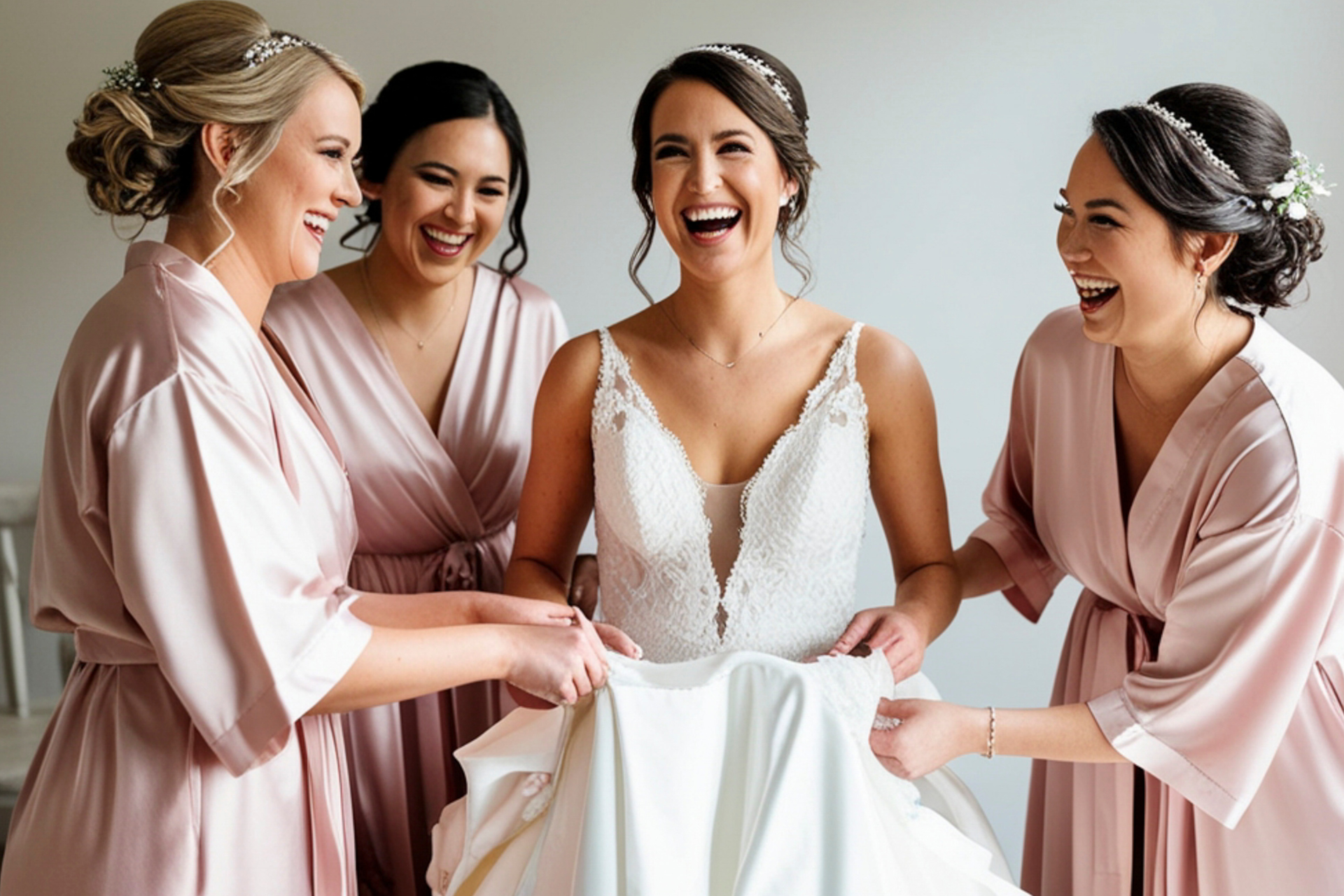
So you’re engaged and diving into wedding planning when you have an epiphany: You have no desire to have bridesmaids—or at least not as many as you have friends. Maybe you’re craving a simpler ceremony. Maybe your closest friends live across the country, or you know they’re already stretched thin with work or kids. Or maybe you don’t want to put your friends through the “matching dresses” responsibilities that come with the bridesmaid role.
Either way, you now face a delicate task: figuring out how to share that some friends won’t be walking down the aisle with you. You want to avoid anyone feeling excluded, but you’re not quite sure how to pull that off. Because, let’s be honest, weddings can stir up old friendship dynamics, mismatched expectations, and emotional landmines.
This article walks you through how to navigate all that nuance—how to meaningfully involve friends in your wedding without the bridesmaid titles or pressure. We’ll explore why this decision can feel so emotionally loaded, how to approach it with empathy and clarity, and creative ways to make everyone feel valued.
What makes it so hard
I often remind clients (and friends) that it’s entirely normal for emotions to run high during wedding planning—not just with family, but with friendships too. The bridesmaid role isn’t merely logistical; for many, it symbolizes closeness and shared history. So when someone isn’t asked, it can feel confusing or even painful.
Research shows that social exclusion activates the same neural pathways as physical pain—our brains literally register it as hurt. That’s why your concern about not wanting to wound a friend is valid and deeply human.
The takeaway? Approach this choice with empathy, not guilt. You’re not doing something wrong by setting boundaries, and your friends are allowed to have feelings about it. The key is clear, compassionate communication.
The psychology behind “being chosen”
Being asked to be a bridesmaid taps into something universal: the need to belong. Social psychologists have long shown that inclusion and recognition create a sense of safety within a group (Baumeister & Leary, 1995). It’s why weddings can stir powerful emotions—because they highlight who feels “in” and who doesn’t.
If you’re worried about hurting a friend, remember that this comes from empathy, not obligation. The goal isn’t to expand your bridal party or please everyone—it’s to find other ways to make friends feel valued and included. When done intentionally, these gestures often feel even more personal than a formal title.
When friendships are in transition
Sometimes, the reason this decision feels tricky is that the friendship itself has changed. Maybe you were inseparable in college, but now you only talk a few times a year. Maybe your values or lifestyles have drifted apart. Weddings have a way of spotlighting those quiet shifts—and the distance that’s developed over time.
You’ve probably already sensed that change, and it may be part of why you’re hesitant to include them as a bridesmaid—and that’s okay. Instead of forcing closeness out of nostalgia or obligation, find meaningful ways to honor the friendship for what it was and what it is now. Send a thoughtful note, or invite them to something like the engagement party, welcome dinner, or post-wedding brunch. Inclusion doesn’t have to mean being part of every event—it can simply mean recognition and gratitude.
How do you want them involved?
Before offering alternative roles, take a moment to think about how you genuinely want your friends involved. To clarify your intentions, ask yourself:
- What kind of energy do I want around me—both during planning and on the day itself?
- Which parts of the process feel most meaningful to share?
- Which friends bring calm, humor, or emotional steadiness? Who brings excitement and hype?
- Do I truly want to include them in a larger role, or am I trying to ease some guilt?
Exploring these questions helps you see where—and how—friends can fit in. Just as importantly, it enables you to match the right person to the right role. Not every friend will thrive in the same capacity, and understanding those differences can make the experience smoother for everyone.
How to share the news
Ah, the part most of us dread—telling friends about your decision. Don’t procrastinate; it’s not something you can easily avoid, and the earlier you have the conversation, the more smoothly it tends to go.
When you do share the news, be intentional about your framing. Your goal isn’t to justify your decision—it’s to express care and excitement about how you’d like them to be part of your day, even if it looks different from what they expected.
You might say something like: “So, we wanted to do something a little different and have our loved ones be involved in the wedding in different ways. You’re really important to me and I’d love to have you be involved with _____. What do you think?”
This approach centers your intention and affection, without over-explaining, creating hierarchy, or making it sound like a consolation prize.
Creative roles for close friends
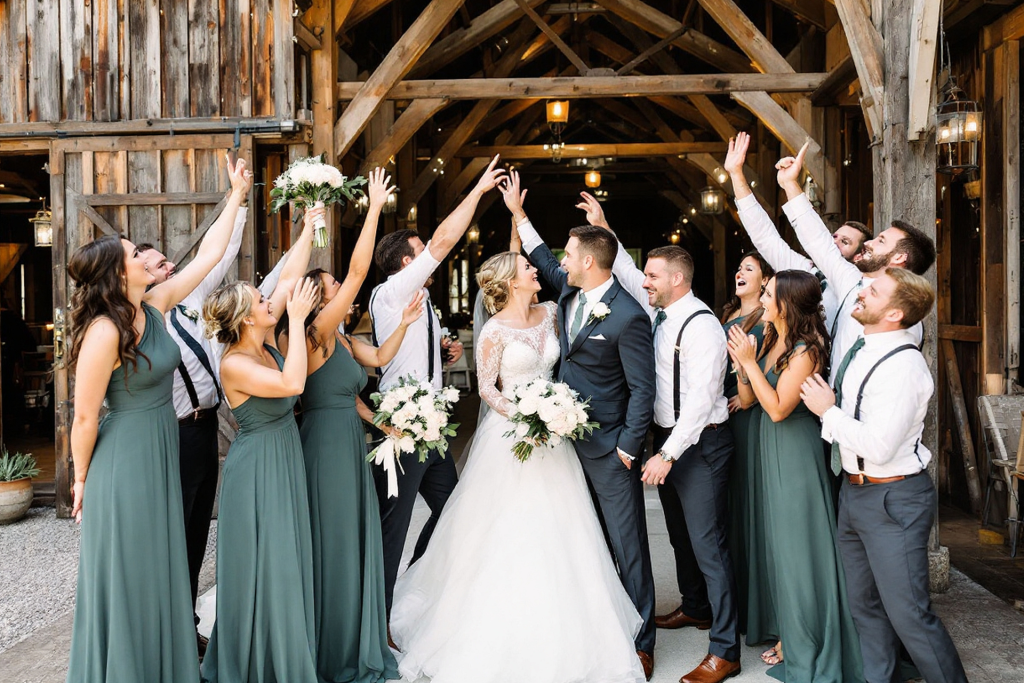
Okay, what are some of the ways to involve your friends? Here are a few ideas that pull on roles that are “anchors” for different parts of your celebration: emotional, creative, logistical, and ceremonial.
The ceremony reader or storyteller
Ask a friend to read a favorite poem, excerpt, or quote that reflects your relationship. If they’re a natural speaker, they can even write a short reflection about love or friendship—something heartfelt but grounded.
The hype crew or getting-ready circle
Maybe you don’t want matching robes and a 6 a.m. hair schedule, but you still wish for emotional support that morning. Invite a few friends to join for coffee, music, and laughter before things start. It’s an easy way to preserve intimacy without the bridesmaid structure.
The creative collaborator
Got an artistic friend? Ask them to help design signage, playlists, or favors. Creative collaboration can feel deeply meaningful because it channels friendship energy into something tangible that becomes part of your day.
Officiant
If you want a deeply personal tone, you could ask a close friend to officiate your wedding. They become a core part of your ceremony in a very special way.
The toast-giver or pre-dinner speaker
If you have a friend who’s been through many seasons of your life, a toast can be more intimate than standing in line for photos. You can guide them by sharing the tone you’d like—funny, warm, heartfelt—so it feels like a reflection of your bond.
Musician or singer
If someone is musically gifted, ask them to perform during the ceremony, cocktail hour, or as part of the reception lineup. It’s a beautiful way for their gift to become part of your experience.
The behind-the-scenes helper
Some friends love being the quiet organizers. They might coordinate playlists, greet guests, or help with setup. For logistical-minded friends, this can feel rewarding and connected.
The “memory keeper”
If you have a friend who loves storytelling or journaling, ask them to write a keepsake letter or coordinate a memory book from your circle of friends. It becomes a deeply personal artifact of your relationships and friendships during this chapter.
The party planner
Every celebration needs that one friend who knows how to keep the energy flowing. Ask them to plan or host the after-party, coordinate the playlist, or rally guests onto the dance floor once dinner wraps up. It’s the perfect role for your most social, high-energy friend—the one who can turn “polite mingling” into an unforgettable night.
No matter which roles you choose, the goal is the same—to weave your friendships into the fabric of your day in ways that feel authentic, joyful, and true to who you are, without the pressure of tradition.
How to handle disappointment (yours or theirs)
Even with the most thoughtful communication, you might still sense some disappointment—and that’s okay. It’s completely normal.
Acknowledge your friend’s feelings without taking on full responsibility for them. You might say, “I understand how you feel, and I just want you to know how much I love having you in my life.” Then, give the conversation space to breathe. Your friend may still need time to process, but feeling seen and cared for often helps the friendship steady and even deepen.
And if you’re the one feeling guilt or sadness, remember—you can feel sad without holding onto guilt. Guilt says, “I did something wrong.” Grief says, “This is hard because I care.” Let yourself feel the latter without mistaking it for the former.
Protecting your peace while staying connected
The mental load of wedding planning is real. Set clear communication rhythms with friends that protect your sanity in the long run. Maybe a group chat for updates, but no 24/7 message threads. If someone’s energy feels draining, limit planning topics and reconnect on non-wedding things. Relationships need continuity beyond the wedding because, well, life will continue on after.
Your friends don’t just exist to support your wedding; they’re the people who’ll be in your life after it. Keeping that balance also helps prevent the “post-wedding friendship hangover” many couples experience once the planning adrenaline fades.
Bringing it all together
Involving friends without making them bridesmaids isn’t about minimizing relationships; it’s about acting in a way that aligns with your values.
When done with intention, it can be done successfully! Because instead of assigning uniform roles, you’re giving each person something that reflects who they genuinely are to you and highlighting how much they mean to you.
So if you’ve been worried about hurting feelings or “breaking tradition,” take a pause. There is more than just one way to honor those in your life, in a connected and authentic way.

Dr. Vivian Oberling is a licensed clinical psychologist with degrees from UCLA, Harvard, and Stanford. In her private telehealth practice, she works with adults navigating anxiety, identity shifts, and relationship dynamics—whether they’re dating, partnered, or parenting. She also provides executive coaching and behavioral health advisory support to tech startups and legal tools reshaping how we think about love, marriage, and psychological safety. Dr. Oberling combines 10+ years of clinical expertise with modern, real-world insight to help people move through uncertainty with clarity and connection.
0 Comments