
It’s finally here—the week of your wedding. After all the planning, you’d think that this last week would feel like sweet relief, but… It’s the opposite. Suddenly, the smallest details feel overwhelming. You find yourself double-checking everything, waking up at 3 a.m., or trying to make last-minute changes (that ribbon is just the wrong color!)
This isn’t just planning stress—it’s also your brain and body responding to change. Even joyful transitions can activate the same nervous system pathways as threat or loss. You’re not only preparing for a big celebration; you’re crossing a threshold into a new identity, a new family system, and a new chapter of life.
So if calm feels hard to find, you’re not doing anything wrong; you’re just human. And there are ways to help stay calm during this time. This article will guide you through how to regulate your body, protect your mind, nurture your relationship, and let go of what doesn’t serve you, so you can enter your wedding day grounded, present, and able to feel the joy you worked so hard to create.
Ground your body
Your body can’t always tell the difference between excitement and danger—it only reads activation. That racing heart, tight chest, or restless sleep are signs your sympathetic nervous system is doing its job. The key is to remind your body that you’re safe this week. You can do that by:
- Deep breathing: Breathing exercises, like box breathing, help you destress. It’s a simple but powerful method and can be done anywhere without any equipment.
- Ground through your senses: When your mind starts spinning or you feel your calm slipping away form your body, try anchoring through your five senses: notice five things you can see in your surroundings, four things you can touch, three things you can hear, two things you can smell, and take a sip or a small bite of something and focus on its taste.
- Eat and hydrate: Our body reacts to blood sugar drops as it does to anxiety. Keep your body and mind in good shape with balanced meals and hydration.
- Prioritize rest: Sleep deprivation amplifies emotional reactivity, so protect your sleep and your future self on your wedding day will thank you!
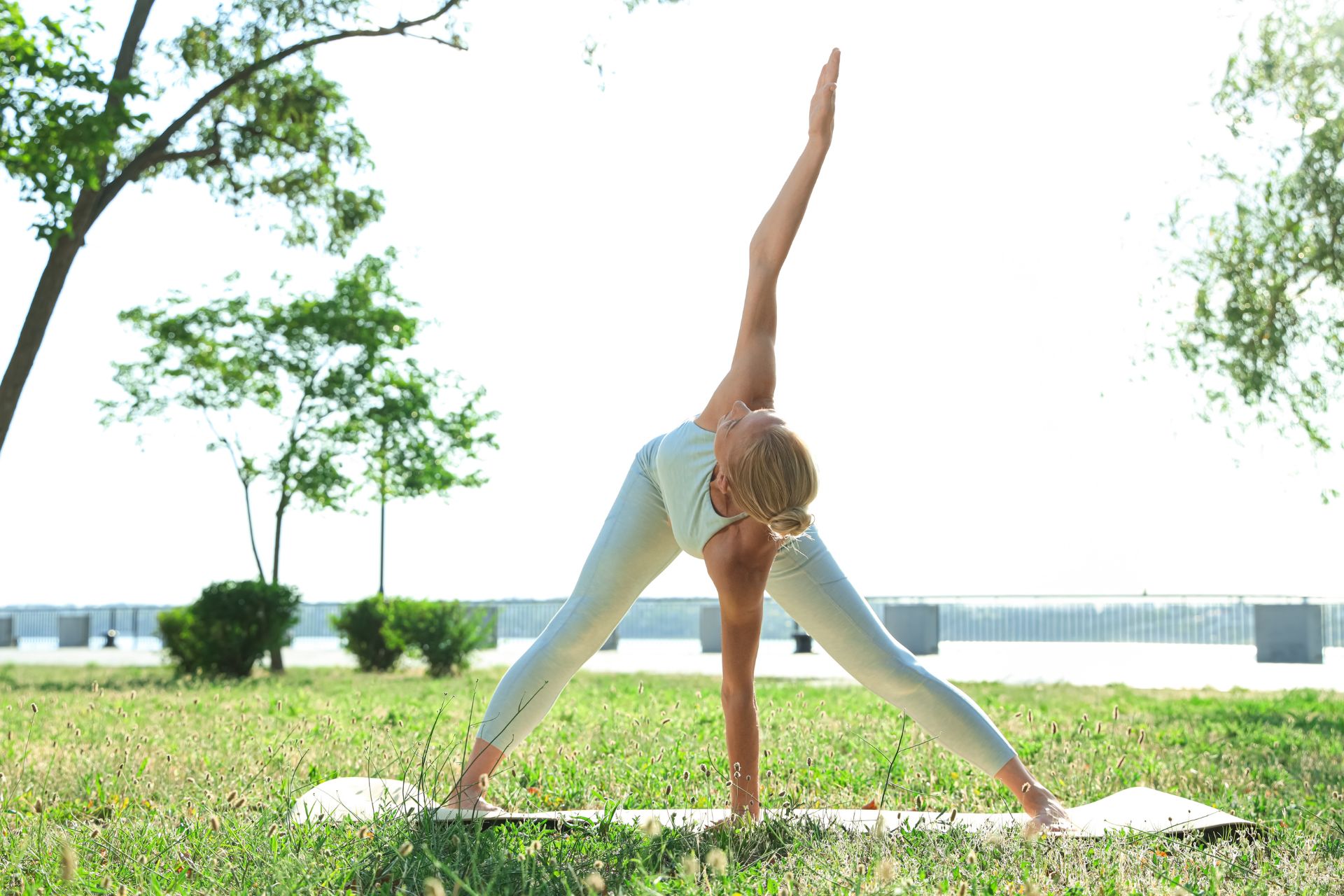
- Move daily: Gentle movement (yoga, a short run, a quick walk) helps to release cortisol and creates physical space for emotional regulation.
Your body is the stage where calm unfolds—care for it, and the calm will come.
Train your thoughts
Now that we have your body taken care of, let’s turn our focus to your mind. In the week before your wedding, my mind may start to ruminate or catastrophize. These simple cognitive techniques help interrupt those loops.
- Label your thoughts: When you start to feel worried, down, or overwhelmed, take note of what your mind is saying. Is it whispering, “It’s all going to fall apart,” or “Maybe this is a mistake”? Labeling your thoughts helps you see what’s driving your emotional experience—and choose the right coping strategy in response.
- Schedule a “worry appointment”: It might sound odd to plan your worry time, but trying not to worry at all—especially the week before your wedding—is often counterproductive. Instead, give yourself a set window (say, 15 minutes) to let the worries out. Write them down or record them—something active that gets them out of your head. This intentional space keeps anxious thoughts from building up or ambushing you at random moments, and it helps your brain relax knowing there’s a dedicated time to process them.
- Reframe: When your mind jumps to worst-case scenarios or unrealistic expectations, pause and challenge what your mind is telling you. Ask yourself: Is this thought a fact, or something I believe/feel? Then, look for a more balanced perspective. For example, instead of “Everything has to go perfectly,” try “Things might go differently than planned, but it’ll still be great.” Reframing doesn’t mean forcing positivity; it means widening your lens so you can see all the possibilities.
- Focus on the bigger intention: Instead of chasing flawless execution, come back to your core purpose. Yes, the day may involve some performance and hosting—but at its heart, it’s a celebration of you and your fiancé. Reconnecting with that intention helps quiet the pressure and re-center you in what truly matters.
- Use visualization: Spend a few quiet minutes each day imagining how you want to feel on your wedding day—grounded, joyful, connected, present. You can also visualize a calming place—somewhere that naturally relaxes you, like the beach, a forest trail, or your favorite chair at home. Visualization works because the brain responds to imagined experiences much like real ones, helping to prime your body for calm and emotional readiness when the big day arrives.
Stay on the same team as your partner
When we’re stressed, we often slip into self-protection mode without realizing it—pushing others away, even the ones who want to help. In the week before the wedding, you might notice that you and your partner are stressing in parallel instead of together. To ease that (and the stress itself), try intentionally reconnecting as a team. Even if you can’t eliminate the tension, sharing it is far more grounding than carrying it alone in your head.
At the start of the week, plan a quick sit-down to talk about what’s ahead. You might say something like, “We’ve got a few really exciting and probably stressful days coming up. Can we talk about what we both need, how to support each other, and how we want to communicate through it?” A short, intentional check-in can make a big difference in how the week feels.
That conversation may reveal a need to divide and conquer specific tasks or to carve out time together where wedding talk is completely off-limits. Both are valid ways to protect your connection and keep your partnership grounded during the final stretch.
Hold firm boundaries with love
In the final stretch, well-meaning family and friends may start reaching out more—sending excited texts, sharing opinions, or offering last-minute help. While these gestures come from love, all that extra input can easily throw you off balance when your plate is already full.
Protect your emotional space and prioritize what you need this week. You can respond with both gratitude and clarity, using simple scripts like:
“Thank you so much! We’re so excited too. Here’s what would be most helpful right now…” or “Thank you so much! We’re so excited too. We’re all set and can’t wait to celebrate with you! We’ll probably be a little slow to respond this week, but we can’t wait to dance the night away soon.”
If needed, hand communication off to a trusted person—your planner, sibling, or close friend—who can field last-minute texts or logistical questions. You might also take a quick social media break to reduce stress and avoid comparison spirals. This week is about preserving your calm and focusing on what really matters: being present for the moments you’ve spent so much time planning for.

Release control and embrace what unfolds
Control is anxiety’s favorite illusion. But this week, that illusion meets a dose of reality—and that’s okay.
Look for the silver linings and practice radical acceptance. The wind blew your veil? It’ll make the photo cinematic. Is the ceremony running late? It gives guests time to settle in and reconnect. Your parents got stuck in traffic and missed sunset photos? Accept what can’t be changed and focus on what still can.
Make space for your emotions, but don’t let them overstay their welcome. Cry if you need to, laugh when it bubbles up, breathe when you can. These moments—messy, unpredictable, and fleeting—will only happen once. Ride the waves as they come, and let yourself fully experience the beauty within the chaos.
Practice self-compassion
You don’t have to feel calm or blissful every moment this week—and trying to force it only adds pressure. Instead, practice small acts of self-compassion.
Remind yourself that you’re human—it’s normal to feel excited, irritated, worried, elated, and guilty all at once. You’re not the first person to have mixed emotions before your wedding (a quick scroll through Reddit will confirm that).
Then, do something nurturing: make tea, take a warm shower, or step outside for a breath of fresh air. These small gestures signal safety to your body and help you reconnect with yourself. And as you do, take a moment to acknowledge everything you’ve already accomplished—you’ve done it!
You don’t have to do it alone
Calm doesn’t mean doing everything yourself—it means leaning on your support system. That could mean:
- Delegate tasks: This week, lean more heavily on others and delegate tasks to those who can help. It may be wedding-related or maybe not, like accepting a meal to relieve one’s responsibility that evening.
- Call and vent: To those you trust and who can make you feel better. Those family members or friends who listen and help problem solve, but only when you ask them to.
- Professional support: If anxiety feels unmanageable, it’s okay to touch base with your therapist or counselor that week. A brief check-in can help regulate your system.
Let others show up for you—you’ve spent months holding everything together, and this is the week to use whatever you need to get over that finish line.
Final thoughts: The calm you build
Calm isn’t about having a perfect week, but knowing what to take on and what to let go. The truth is, no matter what, this week will likely be full of emotions, logistics, laughter, and maybe a few tears. But those don’t have to be seen as “threats” to your mental health, they can be viewed as part of your wedding story.
So let yourself feel everything—the excitement, the nerves, the love, the fatigue—and remember that all of it belongs. Ground your body. Train your mind to take a different perspective or let things go. Ask for help and accept it. And all this will allow you to experience this whole wedding experience fully.

Dr. Vivian Oberling is a licensed clinical psychologist with degrees from UCLA, Harvard, and Stanford. In her private telehealth practice, she works with adults navigating anxiety, identity shifts, and relationship dynamics—whether they’re dating, partnered, or parenting. She also provides executive coaching and behavioral health advisory support to tech startups and legal tools reshaping how we think about love, marriage, and psychological safety. Dr. Oberling combines 10+ years of clinical expertise with modern, real-world insight to help people move through uncertainty with clarity and connection.
0 Comments