
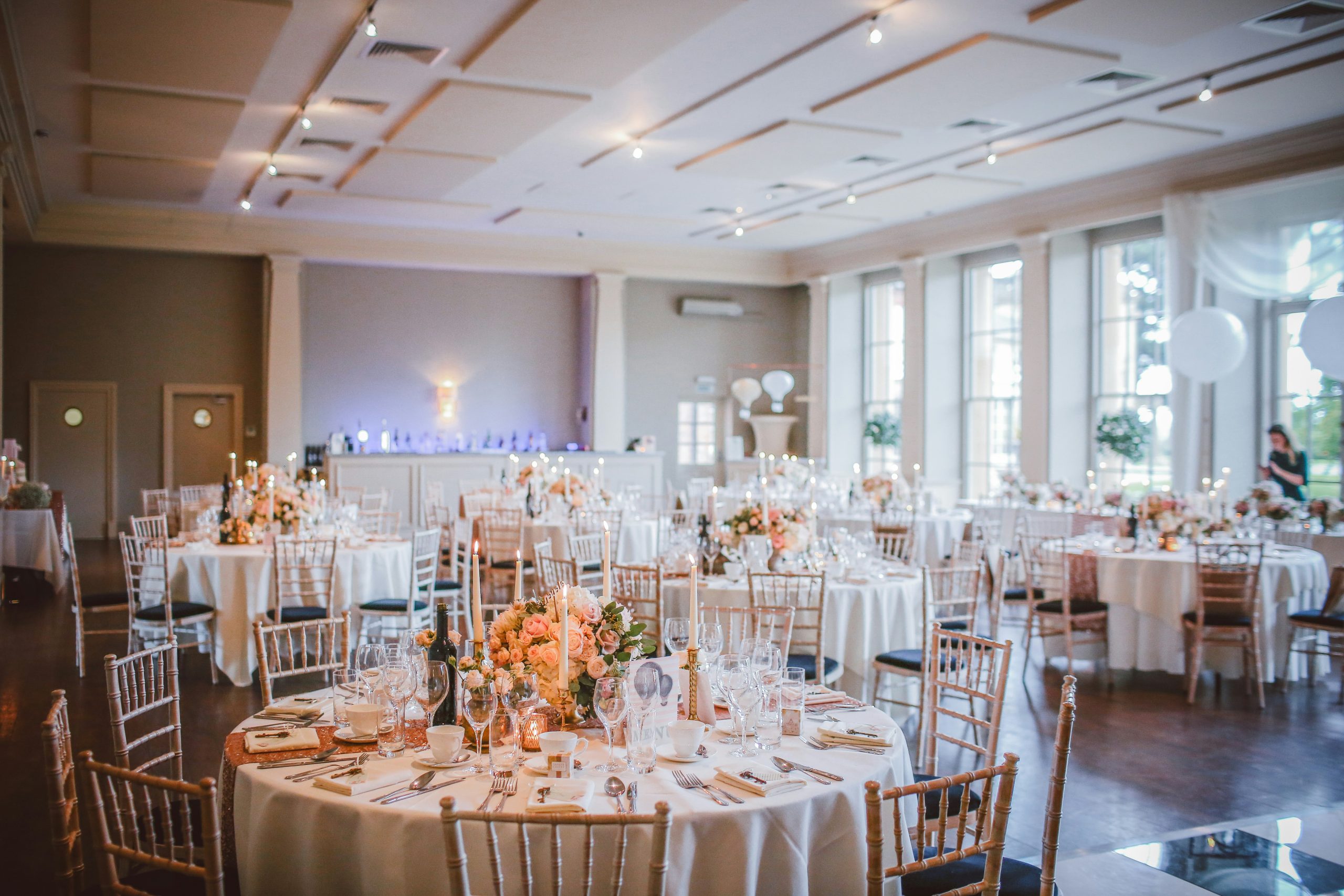
The seating chart. It’s when you realize that your wedding is a whole ecosystem of relationships, personalities, history, and emotional potholes… that you now have to turn into a smooth, logistical plan.
At first, a seating chart looks simple on paper. In reality, you’re making dozens of tiny decisions that carry emotional weight. Who should sit near whom? Who absolutely shouldn’t? How do you avoid awkwardness without turning your reception into a chess match?
In this article, we’ll break down why seating charts matter, how to approach them without burning out, the pro-level tools couples actually use, subtle emotional dynamics to consider, and step-by-step tips that make the whole process feel manageable. Think of it as your guide to creating harmony with a few drag-and-drop moves.
The psychological side of seating charts
A seating chart isn’t just logistics. It touches individual identities and relationship dynamics, which is why your brain reacts to it as a high-stakes puzzle.
You’re trying to avoid micro-conflicts before they start
As humans, we’re wired to anticipate social friction. We naturally want to predict and prevent awkward moments in group settings, and that instinct ramps up even more on your wedding day. So you find yourself looking at different combinations of people and thinking, “Will they vibe, or will this ruin someone’s night?” Depending on the mix, that can feel like a pretty tall order.
Seating feels symbolic
You and/or your guests may draw meaning from the seating placement (and they’re not wrong). Being seated close to the couple can communicate closeness. Being seated far away can make people wonder what it means. Even if it’s purely logistical, humans create narratives or attributions. So, you’re often trying to balance practicality with (hypothesized) emotional reactions.
You’re merging multiple worlds
Your work friends don’t know your childhood friends. Your college roommate doesn’t know your aunt, who still thinks you’re twelve. Weddings bring together entire universes that have never overlapped. You’re managing the friction and making sure people have a soft landing.
All of this is why a seating chart feels so much bigger than a diagram of tables; it’s really your attempt to create harmony among all the different worlds you love.
The emotional dynamics to consider
Understanding people’s dynamics can help you prioritize what actually matters and what you can easily let go of when creating your seating chart.
Some guests need safety anchors
Every wedding has one or two guests who feel safer with familiar people around. Parents of young kids, shy friends, or family members who get overwhelmed in crowds benefit from being paired with someone steady or familiar.
Some guests are social bridges
These are the people who can effortlessly connect; they’re warm, sociable, charismatic. Seating one social bridge at a table shifts the entire vibe in a good way.
Old conflicts don’t magically disappear
If two relatives haven’t spoken since 2019, they don’t suddenly reconcile because they both love you and want to celebrate your day. Place them with buffers or at separate tables if possible. Emotional realism beats wishful thinking.
You can’t please every single person
It’s easy to add pressure by aiming for perfection, but that’s impossible. Set a realistic goal. A reception is a temporary social environment. Most guests adapt within minutes, and if they don’t, they can get through dinner and head to the dance floor as soon as the music starts.
Keeping these dynamics in mind helps you build a seating chart that feels thoughtful, calm, and grounded in real human behavior
Start with the big picture
Before you drag a single name into a seating app, take a moment to look at the whole picture. Seeing the forest instead of the trees makes the process much easier and far less stressful.
Create groupings, not placements
Think in categories. Family, college friends, work friends, family friends, kids, or elders who might want a quieter corner. When you start with natural groupings, you reduce your cognitive load. Group-based organization frees your brain from having to focus on 20 micro-decisions at once and instead helps you shape the overall energy flow of the room.
Talk through social preferences
Have a conversation with your partner about who needs to sit together, who should sit apart, who might need a bit of extra emotional care, and who will be totally fine anywhere. Gottman’s research shows that collaborative problem-solving lowers emotional reactivity and brings clarity, so when you start on the same page, everything downstream gets easier.
Decide the table vibe
Circular tables encourage conversation across the group. Long banquet tables feel more like family-style dinners, but limit cross-talk. Your physical table does have a tangible effect on the table dynamics, so consider that along with your guests’ dynamics.
Once you’ve got a good view at 10,000 feet up, you can come back down and start placing names.
Step-by-step guide to building your actual seating chart
After all the prep work, we can start building your seating chart. Here’s a checklist to help you and your partner stay sane:
Step 1: Finalize the guest list
You need real names, not “maybe uncle plus someone.” Start building your seating chart when you have at least 90 percent of your RSVPs in.
Step 2: Sort people into groups
Family, friends, work, kids. Create clusters before tables.
Step 3: Identify special considerations
Start with guests who have mobility needs or require easy access to restrooms. Then consider practical comfort factors like who always gets cold, who has trouble seeing, or who may not get along. These details may seem small, but they really do matter.
Step 4: Place your VIPs
Put yourselves, the wedding party, and close family first as anchors. You can then build around them, filling in the spaces as it makes sense.
Step 5: Fill in the natural groupings
Take the groups you sorted earlier and start placing them at tables. There aren’t any hard-and-fast rules here, so expect to play around with a few different arrangements before it feels right.
Step 6: Add the social bridges
Put one at tables where energy might otherwise be flat, or you’re coming a few dyads or triads of folks. These social butterflies can help bring people from different groups together.
Step 7: Adjust for comfort
Once you have a table filled, pause and look at it as a whole. What’s your first impression? Does it feel too quiet, or like it might turn into a round of shots and endless toasts? Trust your intuition and adjust as needed.
Step 8: Take a break
Don’t try to do this all in one go. Take a break and physically walk away for twenty minutes to help regain any needed perspective.
Step 9: Ask one trusted person to review
Have a fresh set of eyes look everything over. Choose someone grounded, neutral, and familiar enough with your guest list to spot potential issues. Your planner can also weigh in, though they’ll mostly catch logistical details rather than the subtle dynamics within your family or friend groups.
Step 10: Lock it in
Give yourself a deadline, because at some point, you can’t iterate on the seating anymore. Remember, your goal is to create a pleasant environment, not to orchestrate a perfect evening for every personality type. Done is better than perfect.
Step 11: Send it to vendors
Make sure to share the finalized seating chart with the vendors who need it, typically your planner, your venue point of contact, and your caterers. Be sure to include all the details they need, like guests’ full names, meal selections, dietary restrictions, and any special accommodations. The more complete the information, the smoother the day will run.
Follow these steps, and you’ll end up with a seating chart that feels intentional and thoughtful.

Pro tools that actually make this easier
The wedding industry is full of tools, but some are genuinely worth the hype. Consider the following to help make life easier.
- Prismm: Formerly Allseated, this is a fav among planners. It lets you upload your venue layout and drag-and-drop guests onto tables. Great for couples who like seeing the whole picture at once.
- Social Tables: Often used for corporate events, but also perfect for weddings. Offers real-time collaboration so you and your partner can both work on the chart without sending files back and forth, and has 3D walkthrough options.
- Zola: Perfect for couples who want simple, integrated features without learning something new, since it can be built into other tools you’re already using (e.g., wedding website, RSVP manager, registry).
- Google Sheets: It may not be sexy, but it’s very customizable. If you’re detail-oriented and want a column for everything from meal type to relationship dynamics, spreadsheets may be the ideal path.
The right tool is the one that keeps you calm rather than adding to your mental load. Choose one that matches how you naturally think and makes the work easier.
How to handle tricky situations gracefully
Life gets complicated and messy, so even the most harmonious families can have a few seating-chart plot twists. Here are some common ones and how to navigate them.
Divorced parents
Seat them at separate tables, both close to you, unless they’re amicable. This keeps the emotional landscape balanced, especially with new partners and blended family members.
Guests with new, unknown partners
Seat them with the friend or family member they’re closest to rather than placing the couple with strangers.
The friend who knows nobody
Place them at a mixed table where there’s at least one warm, socially confident person. This prevents isolation and helps create opportunities for building new friendships and connections.
The friend group with old tensions
Spread them across different tables as needed. You’re not obligated to keep them all at the same table. Consider how you spread them so it isn’t a majority at one table, and a lonesome friend by themselves with strangers.
If all else fails, remember to aim for “good enough”
It’s impossible to create a perfect seating chart that makes everyone thrilled. Someone will wish they were seated somewhere else or have an emotional reaction, and that’s okay. It’s not your job to manage every feeling or every preference.
Focus on acceptance and self-compassion: you put in thought, intention, and genuine effort. From there, it’s up to your guests to make the best of it. And remember, they’re not glued to their chairs — they can get up, mingle, visit the bar, and shape their own experience.
Final thoughts: creating a seating chart that supports your wedding day
A wedding seating chart is really an act of care. You’re spending time creating a little community and a space for your guests to relax and celebrate with you. Throughout this article, we explored why seating charts can feel surprisingly emotional, how to organize the process more seamlessly, the tools that provide a clear visual map, and the subtle social dynamics that make tables feel harmonious.
Remember, at the end of the day, the best seating chart is one that reflects intention. People spend more time dancing, laughing, and wandering around than they do analyzing where they were seated. So trust your instincts, use the tools that help you breathe easier, and create a reception space to the best of your ability.

Dr. Vivian Oberling is a licensed clinical psychologist with degrees from UCLA, Harvard, and Stanford. In her private telehealth practice, she works with adults navigating anxiety, identity shifts, and relationship dynamics—whether they’re dating, partnered, or parenting. She also provides executive coaching and behavioral health advisory support to tech startups and legal tools reshaping how we think about love, marriage, and psychological safety. Dr. Oberling combines 10+ years of clinical expertise with modern, real-world insight to help people move through uncertainty with clarity and connection.
0 Comments