
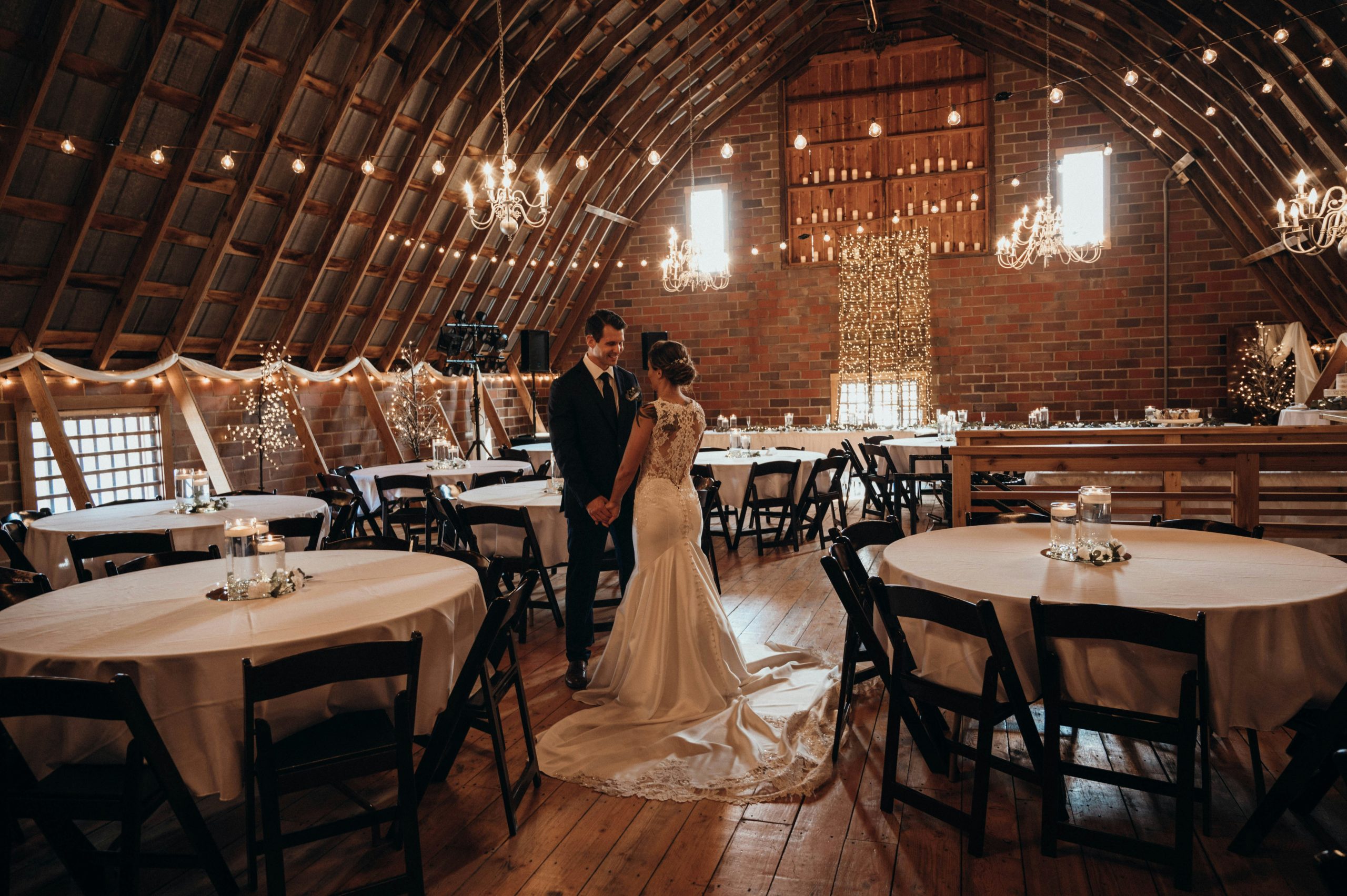
Planning a wedding is basically running a part-time design studio while also juggling family politics, emails, budgeting, and a lifelong commitment. No pressure. So it’s no wonder couples eventually hit that moment where they squint at the Pinterest board, glance at their overflowing Amazon cart, and think We need more help! But what kind of help?!
For some couples, the answer is a wedding stylist. What is a wedding stylist, and how is that different than a wedding planner? Well, great question. Both terms may get used interchangeably, but in reality, they’re two very different roles, and which one you need will depend on your stress level, your vision, and how much you want to DIY.
Here we’ll break down what a wedding stylist actually does, how their role differs from a planner or a designer, the key signs you might benefit from hiring one, and the situations where you probably don’t need one at all. We’ll also look at the psychological side, including how styling can reduce stress, ease decision fatigue, and support healthier dynamics between you and your partner as you plan. And if you decide a stylist might be helpful, we’ll cover how to choose the right fit. By the end, you’ll know exactly whether a stylist is what you need or if the wedding industry is unnecessarily influencing you.
Why the term “wedding stylist” gets confusing
So here’s the simplest way to think about it: A planner runs the logistics. A stylist creates the visual story. Your planner is your COO. Your stylist is your creative director.
And yes, you can have both. But you don’t always need both.
What a wedding stylist actually does
A wedding stylist focuses on aesthetic execution, or the visual language of your day. They’re the ones really responsible for bringing your vision board to life in a way that is you, not just a copy-and-paste.
Translating your vision
A stylist helps turn your inspiration into a cohesive concept by shaping the color palette, textures, vibe, and overall ambiance, while also curating the décor that brings it all together. This can include table settings, ceramics and linens, furniture pieces, candles and lighting accents, lounge setups, and even bridal accessories. They also work directly with florists, rental companies, and photographers to make sure everything (from florals to flatware to signage) feels aligned rather than mismatched.
Styling
Think styled detail shots of your rings, invitations, shoes, perfume, vow books, and jewelry; all the little moments that end up looking like editorial art on your wall after the wedding.
Some wedding stylists will also help coordinate outfits, style your second look, guide you on accessories, and even weigh in on the overall look for your bridal party.
On-site visual execution
On-site visual execution is where a stylist truly shines. They’re the person making sure your place settings are level, your napkins are folded the same way, the color of your candles matches your florals, your signage is centered, and your escort wall looks polished. These tiny details may seem trivial in the moment, but visually they matter, and they read powerfully in photos.
Yes, some of these tasks can overlap with other vendors. Still, a stylist is the one who brings everything together with a consistent vision, making your wedding feel cohesive, elevated, and unmistakably yours.
How a stylist differs from a planner or designer
So, how do you know who you really need (or want) for your wedding? Let’s break it down.
| Role | What they do | What they don’t do |
| Wedding Planner | Handles timelines, vendor management, set-up and break-down, ceremony flow, logistics coordination, troubleshooting, cueing the wedding party, payment reminders, and all the operational details. | They can guide aesthetic decisions, but their job is logistics, not styling or executing fine visual details. |
| Wedding Designer | Creates the overall concept for your décor, including the color palette, aesthetic direction, layout recommendations, and stylistic mood. | They don’t always execute micro-details. They create the vision, but don’t necessarily style each element on the day. |
| Wedding Stylist | Executes the micro-details of the design and ensures visual cohesion. They handle hands-on detail work, style the getting-ready suite, perfect tablescapes, adjust florals, and art-direct visual moments. | They don’t handle logistics or run the wedding day. Their focus is strictly on visual execution. |
You can hire a planner without a stylist, a stylist without a planner, a designer without either… or all three.
How to know if you actually need a stylist
A stylist may be more of a need if one or more of these scenarios describes you and your partner.
You care deeply about the aesthetic, but don’t know how to execute it
You have a specific vibe in mind (romantic garden, moody minimalism, modern coastal), but you are struggling to pull all the pieces together cohesively.
You want an editorial, magazine-level look
If you’re dreaming of those Vogue-meets-florals detail shots, a stylist is your person.
You’re overwhelmed by decision fatigue
Weddings involve hundreds of micro-decisions: colors, textures, signage fonts, candle heights, napkin folds. A stylist reduces cognitive load and helps you make confident decisions instead of drowning in options.
You don’t want to DIY your décor
You don’t want to DIY your décor. If you prefer someone else to handle the sourcing, ordering, setting up, styling, and taking down of all your visual elements, a wedding stylist takes that entire category off your plate.
Your planner doesn’t offer design assistance
Not all planners do. Some intentionally avoid aesthetic work because it takes a different skill set.
You want consistency across vendors
If you want your florals, tablescape, lighting, signage, and photography to feel like they’re from the same universe, a stylist acts as the glue.
A good rule of thumb: if your vision feels bigger than your capacity, or you want your wedding to look as intentional as it feels, a stylist is likely worth it.
Signs you probably don’t need a stylist
Not every couple needs a wedding stylist, and there are plenty of situations where bringing one isn’t the best use of resources.
You’re having a minimalist or very simple visual setup
Backyard BBQ wedding? Intimate elopement? Rustic picnic? You may not need a specialist.
You’re genuinely low-maintenance about visuals
Some couples care deeply about emotional connection, food, and experience, and visuals are secondary. If that’s you, skip the stylist.
You already hired a full-service designer
Designers who handle execution essentially cover styling, so bringing in a stylist would likely be redundant and could even create unnecessary overlap or confusion.
Your venue is already highly styled
Think museums, vineyards, architecturally stunning spaces, or resorts with curated décor. Venues like these already do a lot of the visual heavy lifting for you, so a stylist may not add much ot the equation.
If your day already feels visually complete without extra help, trust that instinct; you can absolutely have a beautiful, meaningful wedding without a stylist.
The mental load of planning and how a stylist can lighten it
Stylists can bring more to the table than what’s in their job description. A stylist can:
Reduce stress and prevent overwhelm
A stylist takes over those visual and detail-heavy tasks, gives you more bandwidth, reduces stress, and helps prevent cognitive overwhelm.
Research on decision fatigue shows that too many choices increase stress, lower satisfaction, and impair self-regulation. A stylist narrows those choices by taking on many of the decision-making tasks, helping couples feel more grounded, connected, and regulated throughout the planning process.
It decreases relationship conflict
Wedding planning can stir up tension, not necessarily because you and your partner disagree, but because you’re both overwhelmed. Delegating is one of the easiest ways to reduce that stress. A stylist takes an entire category of decisions and execution off your plate, which helps keep the emotional temperature much lower.
It helps you feel more present on the actual day
Knowing that someone is physically styling the details help to quiet the anxious mental chatter. This allows more emotional bandwidth for the connection and meaning of the day.
Together, these benefits make styling less about aesthetics and more about protecting your energy, your relationship, and your ability to actually enjoy the experience you’ve worked so hard to create.
What can you expect on the day of?
Still unsure if a stylist is the right move for you? Picture the day itself, imagine these moments unfolding, and notice what thoughts or feelings come up.
On the morning of your wedding, a stylist might gently fan out your veil so it catches the light, arrange your rings and invitations into a magazine-worthy flat lay, and smooth the fabric of your dress before every photo. They may coordinate with your photographer to frame those editorial shots you love, quietly adjust the décor as guests move through the space, and even help shape meaningful moments—like choosing the exact spot for your first look—so everything feels intentional, effortless, and beautifully you.
If this feels like a weight off your shoulder, well…
How to choose the right stylist
Choosing the right stylist isn’t just about pricing or their portfolio; it’s about finding someone whose vision, process, and energy genuinely feel like the right match for you and the day you envision.
- Ask to see full galleries, not just highlights: Anyone can style one cute invitation flat-lay. You want to see: full weddings, tablescapes, lounge setups, and getting-ready suites.
- Pay attention to their editing and taste: You want someone whose aesthetic matches yours out of the box.
- Talk about budget openly: Styling can include sourcing, rentals, accessories, custom pieces, and hands-on labor, so make sure you’re clear on how each element shapes the total cost.
- Ask how they collaborate with your planner or designer: You want a stylist who plays well with others. This should feel like a team.
- Make sure their personality grounds you: You want someone who doesn’t add stress but helps regulate it.
The right stylist should feel like someone who expands your vision and shrinks your stress.
Realistic cost ranges
This varies by region, complexity, and level of service, but here’s a rough guide:
- Basic styling: $800–$2,000
- Editorial detail styling / half-day: $1,500–$4,000
- Full wedding styling: $4,000–$10,000+
- Luxury level: $12,000–$25,000 (or more)
So, just know if you’re dreaming of a magazine spread, expect the higher end.
Final thoughts: Build the right team for your dream day
Deciding whether to hire a stylist ultimately comes down to what will make your wedding feel true to you and what keeps you sane. For some couples, having a professional handle the creative details brings a sense of calm and lets them enjoy the experience without getting bogged down in visual decisions. For others, keeping things simple or handling the aesthetic themselves feels more natural and meaningful.
There’s no universal answer here. If a stylist helps you feel more present and confident in how your day comes together, that’s a strong sign it’s worth it. And if you find you’re perfectly comfortable without one, trust that too.

Dr. Vivian Oberling is a licensed clinical psychologist with degrees from UCLA, Harvard, and Stanford. In her private telehealth practice, she works with adults navigating anxiety, identity shifts, and relationship dynamics—whether they’re dating, partnered, or parenting. She also provides executive coaching and behavioral health advisory support to tech startups and legal tools reshaping how we think about love, marriage, and psychological safety. Dr. Oberling combines 10+ years of clinical expertise with modern, real-world insight to help people move through uncertainty with clarity and connection.
0 Comments